Mohammadreza Mohammadi, Middle East Researcher
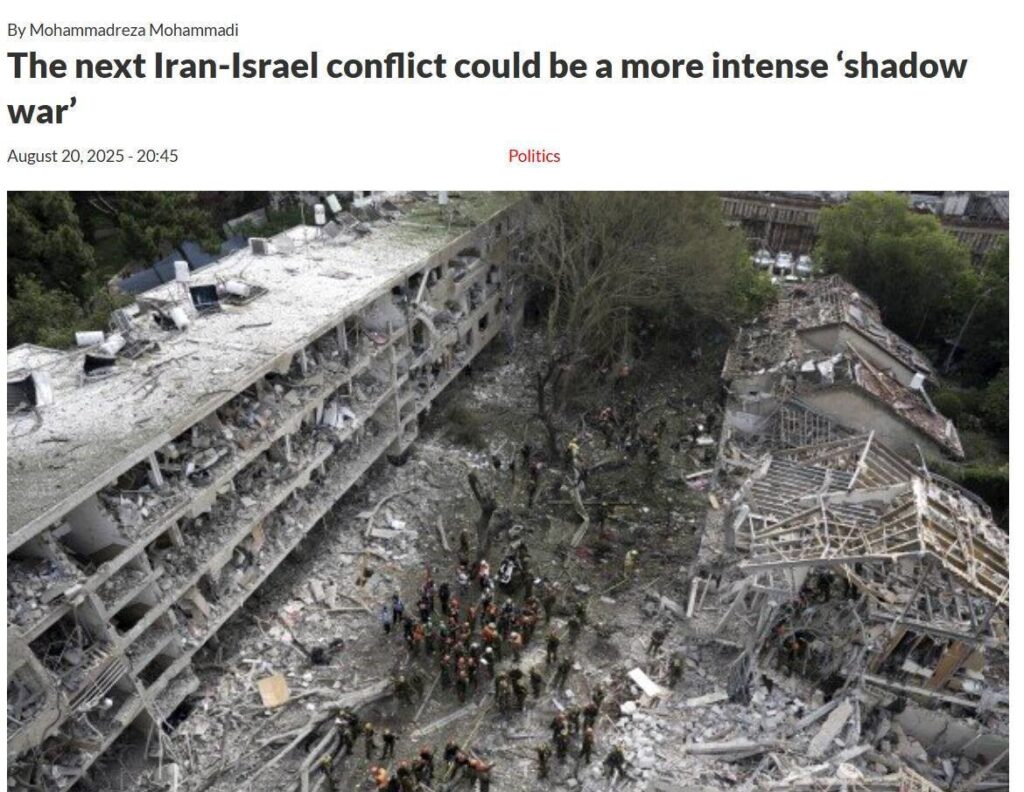
- Israel entered the conflict with three objectives: to destroy Iran’s nuclear infrastructure, assassinate senior commanders, and create internal chaos. The 12-day confrontation demonstrated that the strategy of “regime change” through military means has failed. Iran’s internal cohesion and widespread missile response shifted the balance, and Tel Aviv only managed to delay Iran’s nuclear program. The reconstruction of defense systems, changes in the Supreme National Security Council, and exposure of Mossad networks indicate Iran’s preparedness for managing future crises.
- With Israel’s military capacity eroding in the Gaza conflict and facing domestic and international pressures, a return to a “shadow war” model—including assassinations, sabotage, aggressive diplomacy, and economic warfare—has become inevitable.
- In the current tense regional environment, Israel’s economy is more vulnerable than Iran’s; declining investor confidence and rising costs pose a serious threat. Ultimately, the shadow war is not a matter of choice but of necessity for Israel, as direct confrontation with Iran would be costly, ineffective, and highly risky.
You can read the full version of this text on Tehran Times Website