
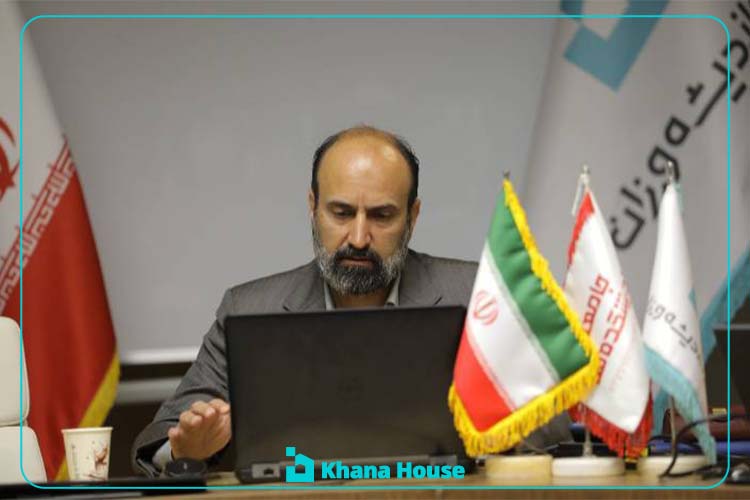
During this meeting, the key points and requirements for establishing laws and regulations concerning the Strait of Hormuz were discussed, based on the United Nations Convention on the Law of the Sea, principles of maritime warfare law, and the maritime zones law of the Islamic Republic of Iran in the Persian Gulf and Oman Sea. These considerations were analyzed for conditions of normalcy and peace, ceasefire, and war, leading to the presentation of a draft law prepared by the Amir Kabir Governance and Productivity Think Tank.
According to Mohammad Reza Haddadi, the Strait of Hormuz, a unique waterway, is a crucial passage for global trade, with two billion tons of goods valued at $2.5 trillion transiting annually. The primary aim of new regulations is to ensure lasting peace and security in the Persian Gulf region, preventing foreign military ships and terrorism financing. The proposed 36-article draft legislation aims to address both current and future needs, emphasizing the importance of establishing internal laws and negotiating treaties with regional neighbors. Despite the draft presented to Parliament, it requires significant revisions to engage the expert community effectively.
You can also read more about special analysis and studies related to Strait of Hormuz on our website.


