
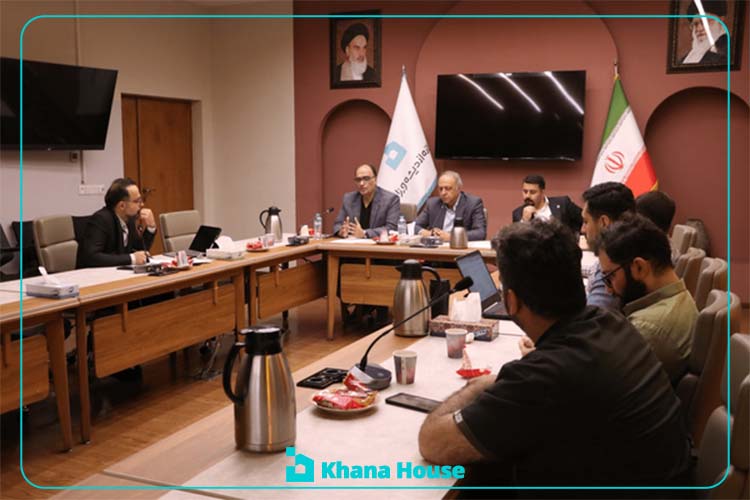
A specialized panel discussion on the development strategies of Iran’s steel value chain in the post-war era was held at KHANA. Experts examined the key challenges facing the steel sector, highlighting the impact of ineffective policy-making, market intervention, and structural inefficiencies on the future of the industry.
According to participants, despite Iran’s significant steel production capacity, regulatory barriers, fragmented industrial development, and government intervention continue to hinder the sector’s competitive.
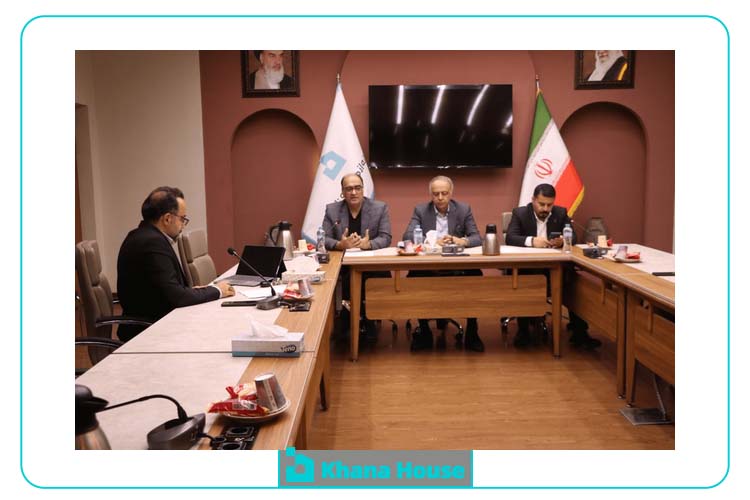
Market Intervention and Regulatory Challenges in Iran’s Steel Industry
Vahid Yaghoubi, Executive Deputy of the Iranian Steel Producers Association, criticized mandatory trading through the commodity exchange and foreign exchange regulations, arguing that they have increased market distortions and discouraged transparent producers. He called for the creation of a centralized regulatory body with strong private-sector participation to coordinate production, energy, and export policies.
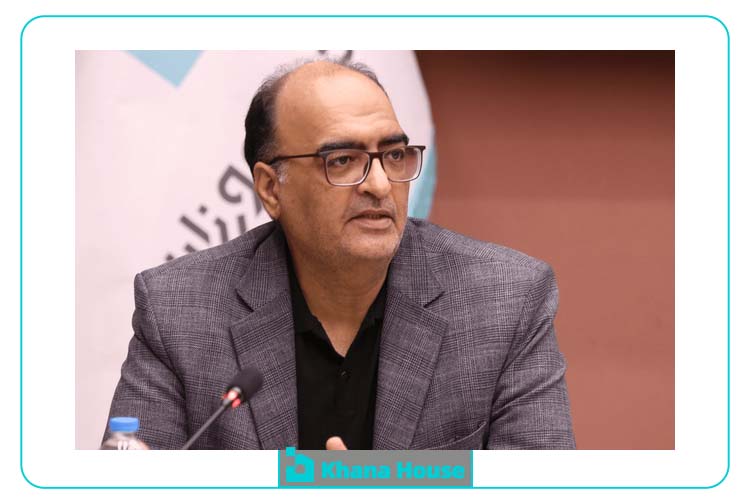
Focus on Quality Development and Industry Consolidation
Mehran Mahjoubnejad, Deputy Director of Steel Technique Engineering Company, warned against further expansion of steel production capacity, noting that Iran has already reached its 55-million-ton target. He emphasized investment in green steel, digitalization, and value-added products rather than new steel plants. He also advocated for the consolidation of smaller steel units to reduce transportation costs and improve efficiency.
Saeed Askarzadeh, Secretary of the Iranian Iron Ore Association, stated that excessive government intervention in pricing and market operations has weakened competitiveness. He stressed that post-war reconstruction should prioritize modern technologies and economically viable locations rather than rebuilding outdated facilities.
Experts concluded that policy reform, industry consolidation, and innovation are essential to improving the competitiveness and sustainability of Iran’s steel industry.
Read the full event report on Fars News website


