Mohammad Khatibi | Foreign policy analyst
Iran’s recent war with the United States and Israel forced Tehran to reconsider what China’s “strategic partnership” actually means. While Beijing condemned violations of Iranian sovereignty, called for restraint and supported diplomacy, it stopped short of taking measures that could significantly change the course of the conflict.
The key issue was not that Iran expected Chinese military intervention, but that many policymakers anticipated stronger political and strategic support from a country repeatedly described as a strategic partner.
Strategic Partner Does Not Mean Strategic Ally
The war highlighted a critical distinction between a strategic partnership and a strategic alliance. According to Iranian analysts, China can be a strategic partner to Iran without becoming a strategic ally.
Beijing describes numerous countries as strategic partners, but these relationships generally do not involve the mutual security obligations associated with traditional alliances. China’s engagement with Iran remains largely interest-driven, project-based and non-alliance-oriented.
China’s Balanced Middle East Strategy
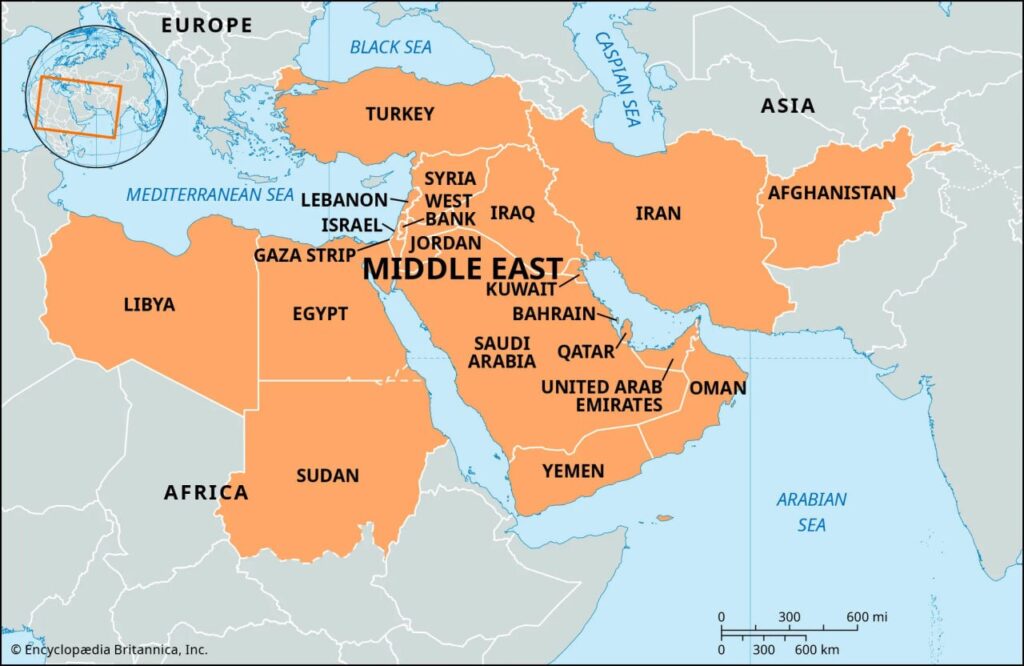
China’s response reflects its broader strategy in the Middle East. Beijing seeks to expand trade, investment, energy cooperation and diplomatic influence while avoiding commitments that would force it to take sides in regional conflicts.
Iran is an important Chinese partner, but so are Saudi Arabia, the UAE, Qatar, Egypt and Israel. This diversified approach allows Beijing to maximise its economic and strategic interests without becoming the region’s security guarantor.
The Asymmetry in Iran-China Relations
The conflict also highlighted the unequal level of dependence between the two countries. Iran depends considerably more on China than China depends on Iran, limiting Tehran’s ability to expect Beijing to prioritise Iranian interests over its broader regional and global calculations.
Pakistan provides another example: despite decades of close military cooperation with China, Beijing has maintained considerable distance from formal alliance commitments.
Limits of Iran’s “Look East” Strategy
The war exposed the limits of Iran’s assumption that China’s rivalry with the United States would automatically translate into stronger support for Tehran. Shared opposition to aspects of US policy does not necessarily produce coordinated action during a crisis. China ultimately prioritises its own national interests rather than aligning automatically with countries that oppose Washington.
What Iran Can Realistically Expect From China
China remains highly important to Iran as:
- A major market for Iranian energy exports
- A source of investment and technology
- An important partner in BRICS and the Shanghai Cooperation Organisation (SCO)
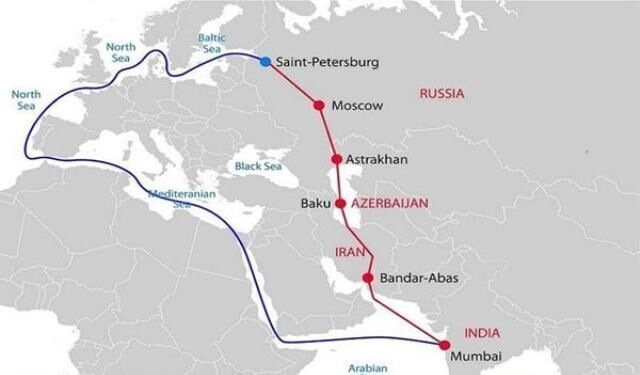
- A potential partner in regional connectivity and infrastructure
- A diplomatic partner on issues where Iranian and Chinese interests overlap
The more realistic benchmark for the relationship is therefore not whether China will confront Washington on Iran’s behalf, but whether Beijing will continue economic cooperation, oil purchases, investment, connectivity and diplomatic coordination.
The War Changed Iran’s Perception of China
The conflict did not fundamentally transform China’s Iran policy; instead, it changed how many in Tehran understand the relationship. Iran is increasingly being pushed to replace expectations of security guarantees with a more pragmatic assessment of what Beijing is actually prepared to deliver.
Read more on ThinkChina