Ali Salehian, Director of the Elite Diplomacy Center at the Sharif Governance Think Tank
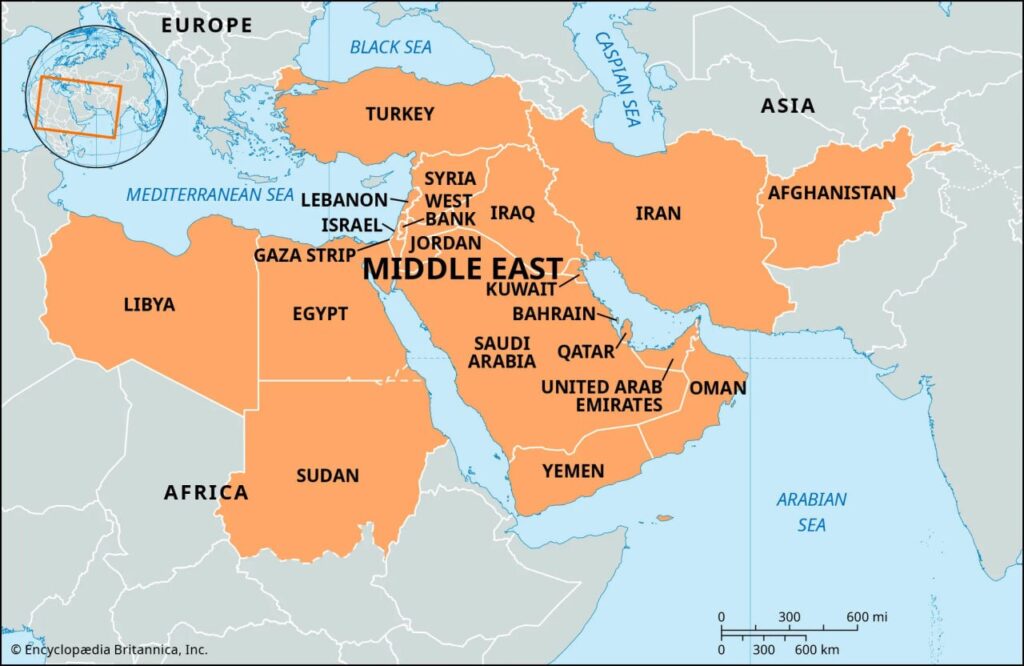
The latest Iran–US conflict has fundamentally changed the strategic importance of the Strait of Hormuz. For Tehran, Hormuz is no longer simply an economic lever for influencing global energy markets; it has become a central component of Iran’s national security, deterrence strategy, and regional influence.
The war demonstrated that Iran’s missile, naval, drone, and asymmetric warfare capabilities can be integrated into an active deterrence strategy. Tehran appears increasingly willing to respond militarily when it perceives its security interests and red lines as being directly threatened.
The Strait of Hormuz and Iran’s New Deterrence Strategy
Iran’s post-war approach revolves around three major elements: rapid military retaliation, using the security of energy and maritime traffic as strategic leverage, and internationalizing the economic costs of pressure on Iran.
Through an Anti-Access/Area Denial (A2/AD) strategy, Iran can increase the risks and costs associated with navigation through the Persian Gulf and the Strait of Hormuz. However, prolonged disruption could also encourage Persian Gulf states to develop alternative pipelines, ports, and land-based trade routes, potentially reducing the long-term strategic value of the strait.
From Pressure Tool to Strategic Asset
The war has transformed Hormuz from a largely latent geopolitical advantage into a tangible strategic asset. Iran does not necessarily need to keep the strait closed to preserve its deterrent value. Maintaining a credible and operational ability to disrupt maritime traffic may itself provide significant leverage.
A longer-term strategy could therefore focus on maintaining maritime security capabilities while expanding Iran’s role in port services, fuel supply, shipping, rescue operations, and regional trade infrastructure.
Cooperation with Oman could also become increasingly important in managing tensions and establishing new arrangements around the Strait of Hormuz.
Hormuz as a Strategic Objective
Another major shift is that Hormuz itself has become part of Iran’s strategic objective. The issue is no longer simply whether the strait remains open or closed, but who will have influence over its future security and navigation arrangements.
For Iran, losing its leverage over Hormuz could have long-term consequences if regional states develop alternative routes that reduce their dependence on the strait. Consequently, Tehran’s challenge is to preserve the geopolitical importance of Hormuz without undermining its own economic interests through prolonged disruption.
The Future of Security in the Persian Gulf
The Strait of Hormuz is governed by international maritime law, including rules concerning international navigation and transit passage. At the same time, its geography and Iran’s military capabilities give Tehran significant influence over the security calculations of regional and external powers.
The central question after the war is therefore not simply whether Iran can disrupt maritime traffic, but whether it can translate its geographic and military advantages into a sustainable role in the Persian Gulf security architecture.
Conclusion
The post-war struggle over the Strait of Hormuz is ultimately about much more than oil shipments, shipping costs, or maritime traffic. It is a broader contest over deterrence, sovereignty, energy security, and the future security order of the Persian Gulf.
Iran’s strategic objective appears increasingly focused on maintaining the ability to influence security around Hormuz while avoiding the excessive use of that leverage. The future of the strait will depend on whether regional and international powers move toward arrangements that incorporate Iran’s security interests or toward mechanisms designed to constrain its regional role.
To read more, download full paper