
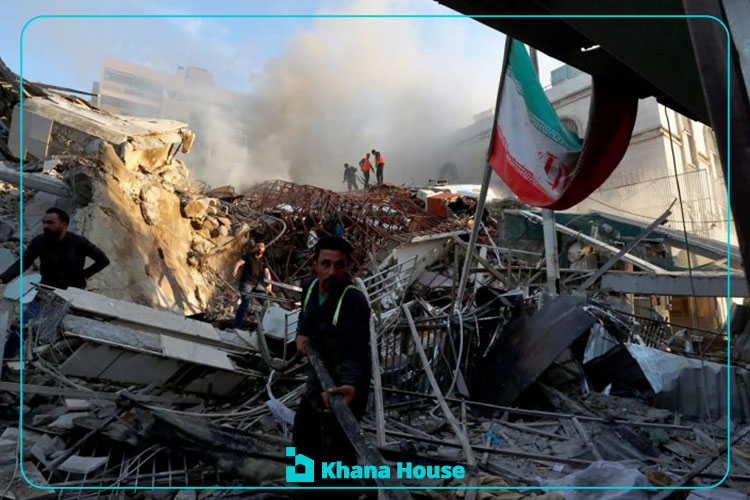
Post-war reconstruction should go beyond rebuilding damaged infrastructure and restoring financial losses. It must also heal social divisions, rebuild collective identity, and restore social capital. A participatory model that combines government accountability with community engagement, creativity, and local initiative can promote social cohesion and prevent further harm.
A Four-Part Framework for Participatory Reconstruction
The framework identifies four channels for public participation in post-war reconstruction:
- Individual volunteers who provide technical skills,
- Individual donors who contribute funds or materials,
- Civil society foundations that implement reconstruction projects,
- And donors’ associations that mobilize financial resources through crowdfunding and corporate social responsibility.
Coordinating these four groups can accelerate reconstruction, improve transparency, and strengthen social cohesion.
Strategic Principles and Six Implementation Considerations
Post-war reconstruction should measure not only physical progress but also social capital, including community trust, volunteer networks, and public participation. Independent local oversight councils should monitor project progress, resource allocation, and bureaucratic obstacles.
A Compensatory Mechanism for Inequality and Spatial Justice
To prevent wealthier neighborhoods from recovering faster than disadvantaged areas, the model proposes allocating at least 30% of government support funding according to regional deprivation, regardless of local fundraising capacity. Digital platforms should also prioritize projects in underserved communities.
Symbolic Solidarity Projects and Government Guarantees
Reconstruction should combine physical recovery with social empowerment through participatory management training, local budgeting, and community-led microcredit funds. The model proposes allocating at least 15% of reconstruction projects to shared facilities serving diverse neighborhoods, supported by mixed local teams. Government must also guarantee volunteer safety, expedited permits, affordable building materials, and free accident insurance.
Policy Recommendations for Government, Legislators, and Oversight Bodies
- Executive branch: Establish a transparent national project platform and matching-fund mechanisms, with the government contributing 50–100% of public or corporate funding for eligible public donations.
- Legislature: Provide tax incentives for reconstruction contributions, simplify procurement procedures for eligible civil society organizations, mandate accident insurance, and authorize public recognition of donor organizations.
- Oversight bodies: Require monthly publication of project data, monitor social-capital indicators, and establish a system for resolving public complaints about administrative delays within ten days.
This study is conducted at Islamic Parliament Research Center Of The Islamic Republic Of IRAN by Hesam Ezat-Abadipour in 2026.
To read more, download full paper


