by Lorenzo Maria Pacini (UniDolomiti of Belluno, Italy)
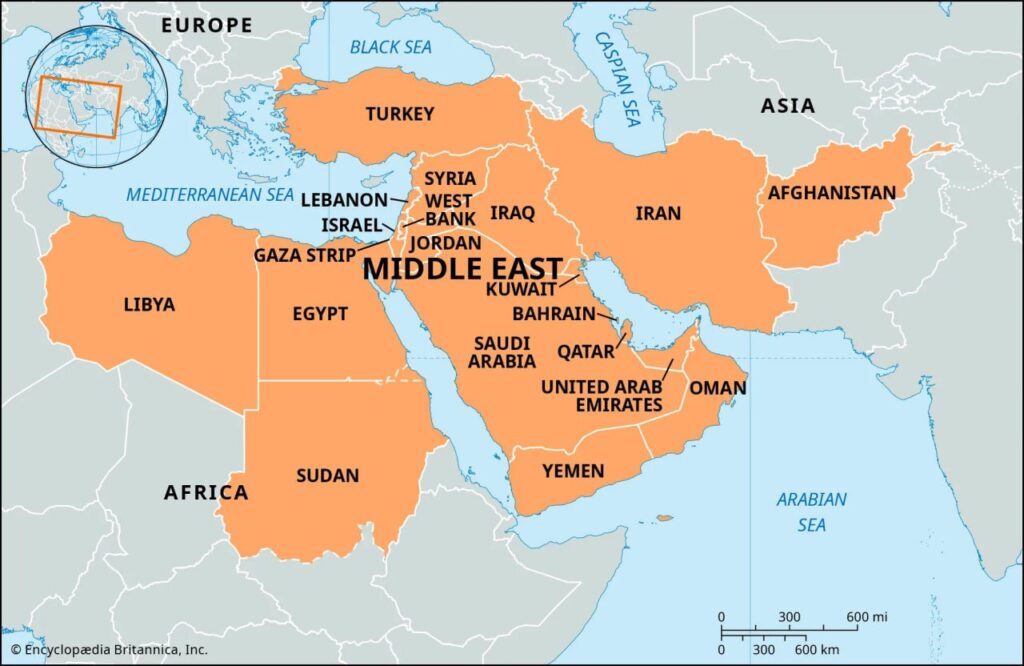
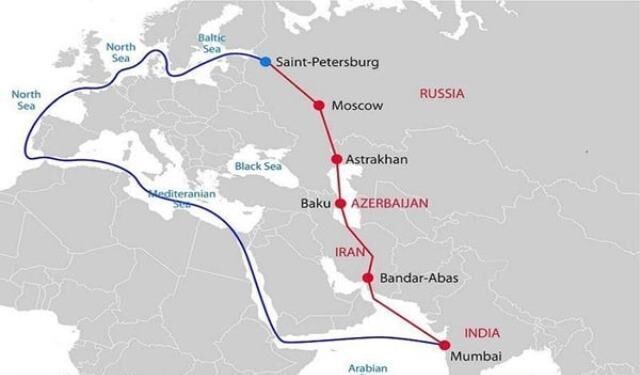
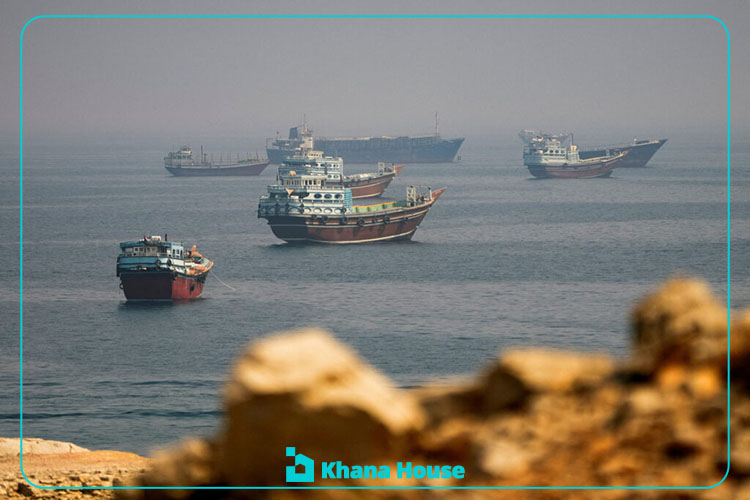
The Strait of Hormuz is the world’s most strategic maritime chokepoint, carrying around 21% of global oil consumption and 25% of internationally traded LNG through a passage only 21 nautical miles wide. Growing geopolitical rivalry, weakened multilateral governance, and the militarisation of trade routes have transformed Hormuz into a major systemic vulnerability. The Strait’s closure in March 2026 during the US–Iran escalation triggered what the IEA defined as the largest oil supply disruption in modern history, generating cascading effects across energy, chemical, fertiliser, and food markets. This chapter examines Hormuz through the lenses of geopolitics, political economy, and energy security. Drawing on data from the IEA, EIA, UNCTAD, and OPEC, alongside analyses by CSIS, IISS, and Chatham House, it explores regional instability, structural weaknesses in global energy logistics, the limits of alternative transport routes and strategic reserves, and the rise of new connectivity corridors such as the INSTC, BRI, and IMEC.
https://www.igi-global.com/gateway/chapter/425538
DOI: 10.4018/979-8-2600-1268-0.ch006