An analysis of the status of the governments of Iran and the U.S. and the introduction of the drivers and obstacles to an agreement between the two countries
Abstract
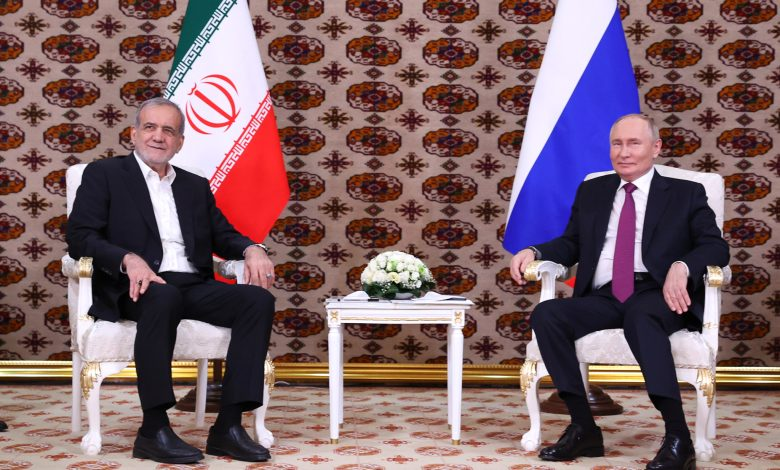
Verbal signals from both Iran and the United States indicating a willingness to begin negotiations are on the rise. From the outset, President Pezeshkian’s administration has implicitly introduced its strategy toward sanctions as one of direct negotiations with the United States, and in recent days, this strategy has been publicly declared. The Supreme Leader of the Islamic Republic also, during the celebration of Mab’ath, expressed support for the government’s approach through the concepts of “dialogue,” “bargaining,” and “vigilance,” aligning his words with the government’s strategy.
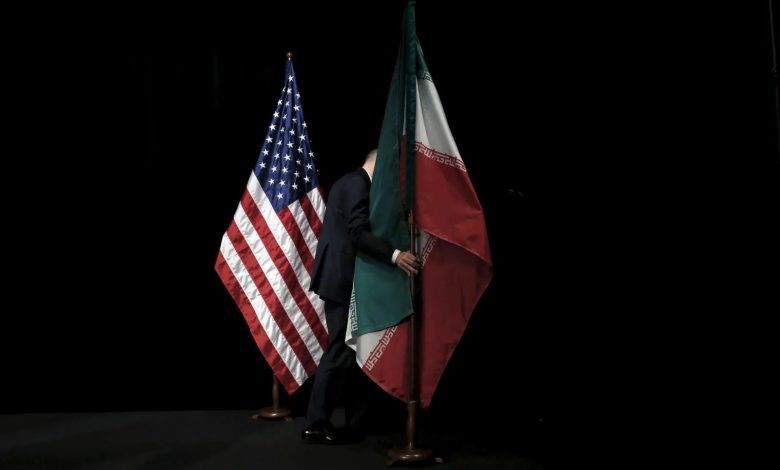
If “heroic flexibility” was the key concept in the Leader’s discourse at the onset of previous nuclear negotiations (JCPOA), in the current phase, “bargaining” and “vigilance” appear to be the central themes. On the other side, the Trump administration also indicated that negotiations with Iran over the nuclear issue are preferable to choosing the path of war. However, the current signs coming from the U.S. government suggest that its preferred negotiation strategy with Iran—if any—is likely to be one of “coercive diplomacy” for as long as possible.
The Supreme Leader’s emphasis on “vigilance” also points to the American desire for “maximum gains for themselves, minimum concessions for the other side.” The potential outcome of future negotiations between Iran and the United States will be determined by the security, economic, political, and social levers each side holds. But what is especially important in this context are the intervening regional variables—some of which act as accelerators or incentives for an agreement, while others function as brakes, hindering any potential deal.
In this article you also read about:
Regional-Level Obstacles to an Agreement:
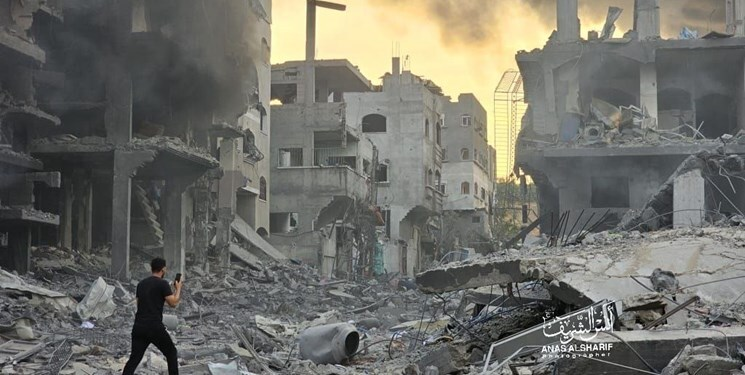
1.The ongoing conflict over the issue of Palestine
2.U.S. regional interventions
3.Polarization within the region
4.Normalization of Arab-Israeli relations
Regional-Level Drivers of an Agreement:
1.Pursuit of regional stability
2.The emergence of a new U.S. intervention model
3.Energy security concerns
4.Efforts to stabilize a new balance of power
This study was conducted by Seyed Mohammad Hosseini, Senior expert at Institute for Political and International Studies (IPIS).
To read more, click here