International Affairs

Negotiation with the U.S.

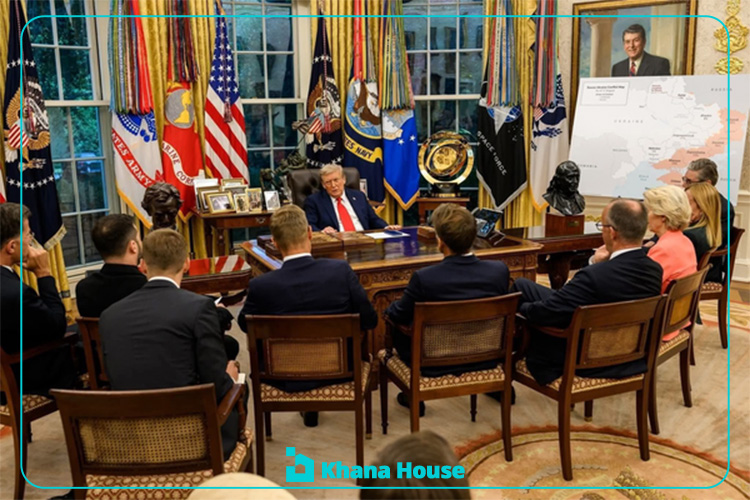
Possibility of Rearchitecting the Negotiating Table with the United States

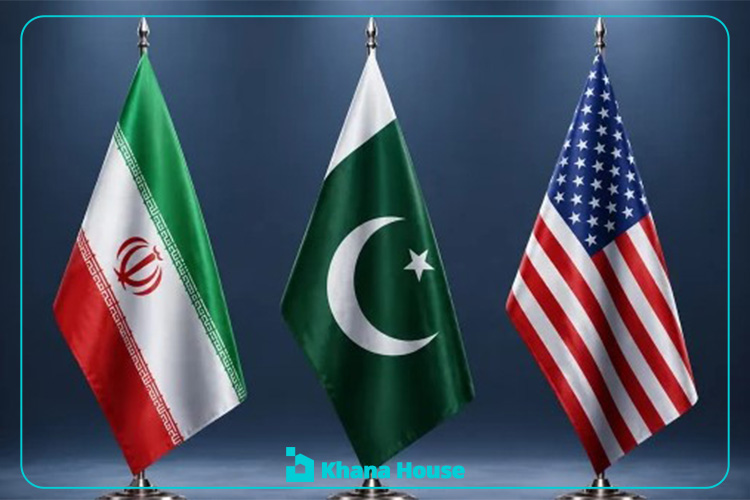
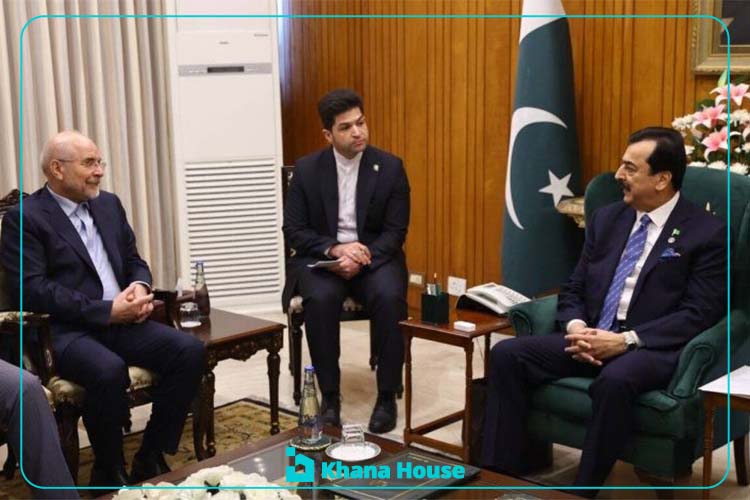
In light of Abbas Araqchi’s upcoming visit to Moscow and his meeting with Putin, it is essential to address the challenges facing Iran’s diplomatic strategy. The current negotiations in Islamabad are likely headed toward a deadlock, primarily due to Pakistan’s shifting priorities and its alignment with U.S. interests. Iran must establish a negotiation framework that […]

Possibility of Rearchitecting the Negotiating Table with the United States Read More »

United Arab Emirates and Iran's Security

United Arab Emirates; Threat to Iran’s Economic Security

The United Arab Emirates (UAE) serves as a crucial economic and financial hub in the Persian Gulf, playing a significant role in the political and economic landscape of the Middle East. With its strong financial infrastructure and strategic location, the UAE functions not only as a trading partner for Iran but also wields substantial influence

United Arab Emirates; Threat to Iran’s Economic Security Read More »

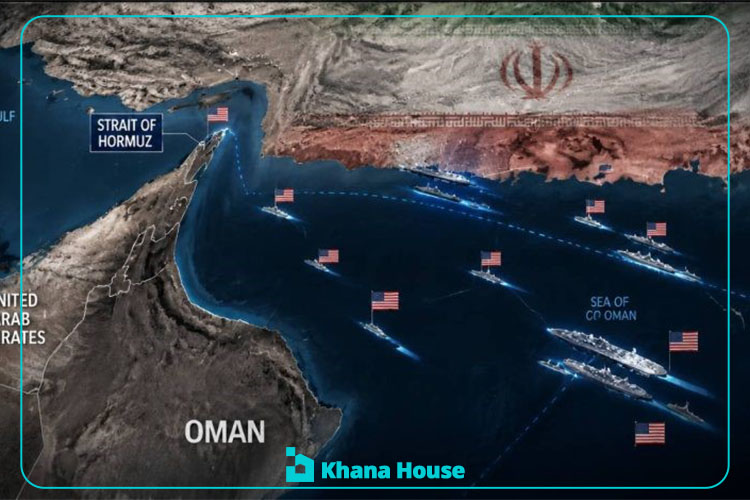
closing the Strait of Hormuz

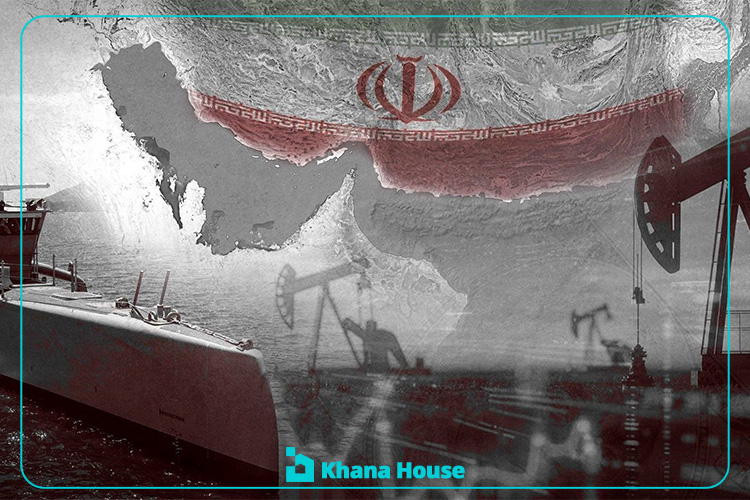
The Losers of Closing the Strait of Hormuz in a Long-Term Scenario

A report from Oxford Economics predicts that a prolonged U.S. military conflict with Iran, resulting in a six-month closure of the Strait of Hormuz and intensified attacks on energy infrastructure, could trigger a global industrial recession. World economic growth could plummet to 0.6% by 2026, the worst performance since COVID-19.  This scenario demonstrates that military

The Losers of Closing the Strait of Hormuz in a Long-Term Scenario Read More »

Saudi and Pakistan

Saudi and the Puzzle of Pakistan’s Dependency

Pakistan’s current behavior towards Persian Gulf Arab countries cannot be analyzed through a simple dependent-independent lens. Instead, Pakistan finds itself entangled in a “three-layered strategic dependency” puzzle: These intertwined layers make the cost of severing ties with the financial-security network of Saudi Arabia significantly higher than the cost of maintaining conditional dependency. The Buyback of

Saudi and the Puzzle of Pakistan’s Dependency Read More »

Iran and U.S. Ceasefire

A Reflection on a Point Regarding the Iran and U.S. Ceasefire

Since the announcement of the two-week ceasefire between Tehran and Washington, various analyses have emerged regarding its nature and the future of developments. Generally, in recent hours, three points have raised some ambiguities and concerns about this ceasefire: Maintaining Strategic Leverage Iran retains strategic leverage despite the ceasefire, including control over the Strait of Hormuz

A Reflection on a Point Regarding the Iran and U.S. Ceasefire Read More »

Iran's Ceasefire Before Deterrence

Iran’s Ceasefire Before Deterrence Point: Risks of Becoming Iraq

As more than month has passed since the of the third imposed war against Iran, a natural question arises: How long will be the continuation of this war? Military equipment, logistical and financial weaknesses do not lead to defeat. Historical analytics have shown that the resistance and steadfastness of the weaker party can, with effective

Iran’s Ceasefire Before Deterrence Point: Risks of Becoming Iraq Read More »

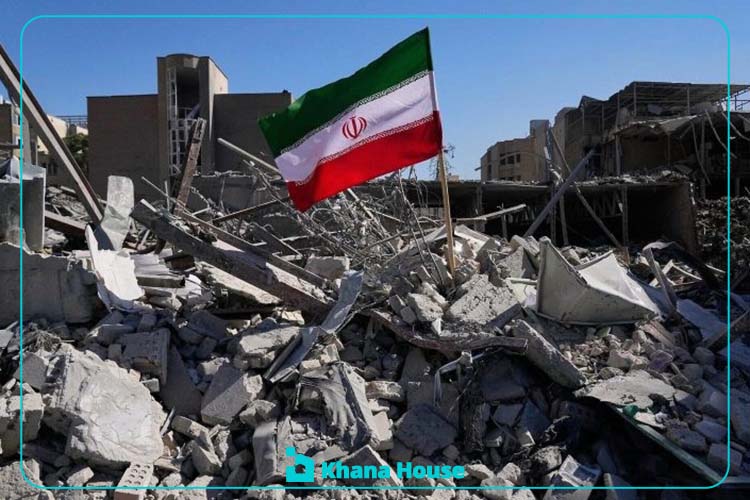
Destruction of residential buildings in Ramadan war

Framing a Scenario Based Analysis of Ramadan War

Military conflicts in the Middle East, known as “Ramadan war” between Iran, the U.S., and Israel, have widespread implications for regional security and the global economy. These tensions impact energy markets, trade and investment, leading to increased political and economic uncertainty. In the context of rapid and complex regional developments, a thorough examination of the

Framing a Scenario Based Analysis of Ramadan War Read More »

Hormuz Strait: From Logistic blockade to Flames in the Metals Market

Hormuz Strait: From Logistic blockade to Flames in the Metals Market

This report investigates impact of the Hormuz Strait blockade on global metals markets. A vital and logistical chokepoint sees 20% of the world’s oil and significant volumes of dry bulk cargo transit through it annually. Recent military conflicts and restrictions have disrupted supply-demand balances, to a paradigm in mineral and metal industries, evidenced by enhanced

Hormuz Strait: From Logistic blockade to Flames in the Metals Market Read More »

The Steel and Aluminum Industries of America's Allies in the Middle East

The Steel and Aluminum Industries of America’s Allies in the Middle East

Which one of the middle east countries are America’s allies? Seven steel and five major aluminum plants in six Arab countries (Saudi Arabia, the UAE, Qatar, Kuwait, Oman, and Bahrain), along with one facility in Israel, form the core of the supply chain heavy industries are supported indirectly by the United States. Some complexes such

The Steel and Aluminum Industries of America’s Allies in the Middle East Read More »