An Analysis of Proposed Solutions to Improve the Natural Gas Imbalance under Three Main Pillars: “Policy and Consumption Management,” “Consumption Optimization,” and “Increasing Production Capacity”
Abstract
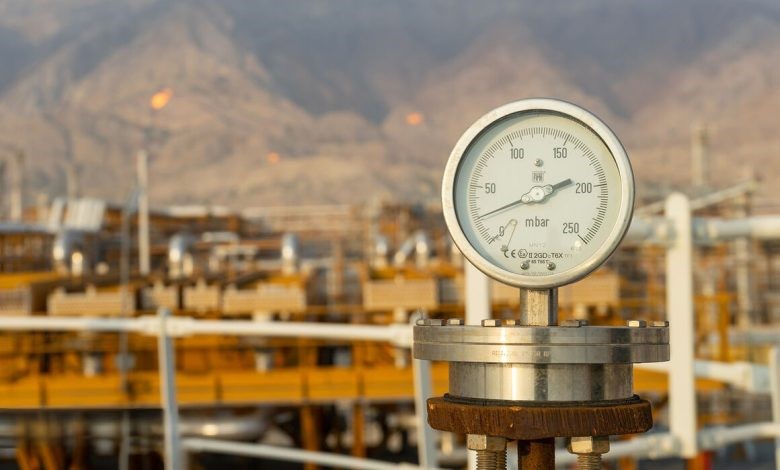
Despite being recognized as the second-largest holder of gas reserves, Iran is facing a natural gas imbalance problem, particularly during the cold season, due to the increasing consumption rate and production limitations. The 70% dependency of various consumption sectors on natural gas, combined with inefficient energy consumption, and the country’s reliance on the South Pars field for gas supply, along with the pressure drop in this field, has created a serious challenge in securing energy. It appears that if this trend continues, in the coming years, to compensate for the imbalance, restrictions on the petrochemical and steel sectors will reach their maximum levels, after which the country may have to turn to natural gas imports to resolve the supply crisis.
In this article you read about:
Status of Natural Gas Imbalance in the Country
Policy and Consumption Management: To address Iran’s seasonal gas imbalance, underground storage must increase from 1.4% to at least 10% of annual consumption. Key steps include: shifting industrial strategy away from energy-intensive sectors, converting gas power plants to combined cycle, enforcing building efficiency codes, reforming energy governance, and using smart meters to monitor consumption.
Consumption Optimization The main issue with Article 12 of the Law on Removing Barriers to Production is its reliance on subsidy reform funds, which limits investor confidence and market growth. To ensure a functioning energy efficiency market, government support is needed. Additionally:
1.Establish an Energy Efficiency Account to settle private sector energy saving certificates.
2.Adjust industrial gas tariffs, improve residential tiered pricing, and expand it to commercial users.
3.Phase out gas subsidies along the value chain and reallocate them to support end-use efficiency.
4.Promote energy-saving culture through media, social networks, and schools.
Increasing Natural Gas Production Capacity: To address gas shortages, major industries should invest in flare gas recovery and small gas field development. Additionally, gas field projects linked to exports can attract investment.
This study was conducted in 2024 at Islamic Parliament Research Center Of The Islamic Republic Of IRAN in collaboration with Ali Saberi and Habibollah Zafarian.
To read more, click here