Review and analysis of issues related to corporate social responsibility (CSR), its regulations in Iran and around the world, and providing recommendations
Abstract
Corporate Social Responsibility (CSR) is a broad concept and a business model that emphasizes the responsible conduct of companies toward themselves, society, and the environment. In today’s world, CSR plays a vital role in the sustainable development of communities and in addressing the environmental and social damages caused by factories and corporations, particularly in local areas. This field has evolved globally through a combination of legislation and voluntary actions. In Iran, CSR has also appeared sporadically within various legal frameworks. However, it is evident that these laws are not properly implemented.
In this article you read about:
Issues Related to Corporate Social Responsibility:
The field of Corporate Social Responsibility (CSR) faces several challenges, including:
- The political and social misuse of CSR initiatives
- The phenomenon of greenwashing
- The potential for money laundering under the guise of CSR activities
Review of Global Regulations in the Field of Corporate Social Responsibility
Corporate Social Responsibility (CSR) is a relatively recent concept in global policymaking, with most international agreements being voluntary and non-binding. The ISO 26000 standard, introduced in 2010, is the most notable guideline in this area. Countries approach CSR differently: the UK favors minimal government intervention and has no binding CSR laws, while Germany focuses more on labor rights and union support. Some companies, like Volkswagen, adopt voluntary CSR policies addressing issues such as non-discrimination, safety, and freedom of association.
Review of CSR-Related Laws in Iran
In Iran, there are numerous — though fragmented — laws related to Corporate Social Responsibility (CSR), both directly and indirectly. Key legislations include Article 80 of the Sixth Development Plan, the Environmental Protection and Enhancement Act, the Clean Air Act, the Waste Management Act, the Consumer Rights Protection Act, the National Decent Work Document, and the Labor Law.
However, several challenges remain:
- Lack of a unified authority: CSR-related laws are scattered across more than seven legal domains, with no centralized governmental body overseeing them. A unified authority could help address this fragmentation.
- Weak support for labor rights: There is insufficient legal protection in areas like workplace health and safety and labor unions. Workers’ organizations often lack the power to advocate effectively due to job security concerns.
- Absence of regulations on emerging CSR issues: New areas such as consumer data privacy and corporate transparency have received limited attention from Iranian policymakers
Recommendations for Legislating and Organizing CSR Laws in Iran
Although Iran has shown notable attention to Corporate Social Responsibility (CSR) and has enacted a large number of relevant laws—some even with strong enforcement measures such as fines, imprisonment, or revoking business licenses—practical outcomes, especially in environmental and social development areas, remain limited. To improve the legal structure and effectiveness of CSR, the following recommendations are proposed:
- Mandatory Annual CSR Reporting: By establishing proper infrastructure and aligning with modern international practices, companies can be required to submit annual CSR reports. These should be verified by relevant authorities and made publicly available, enhancing transparency and creating intrinsic motivation for compliance.
- Legislating Emerging CSR Topics: Issues such as consumer data privacy and corporate transparency remain underregulated in Iran. Given their growing importance, specific legal provisions should be introduced to address these gaps.
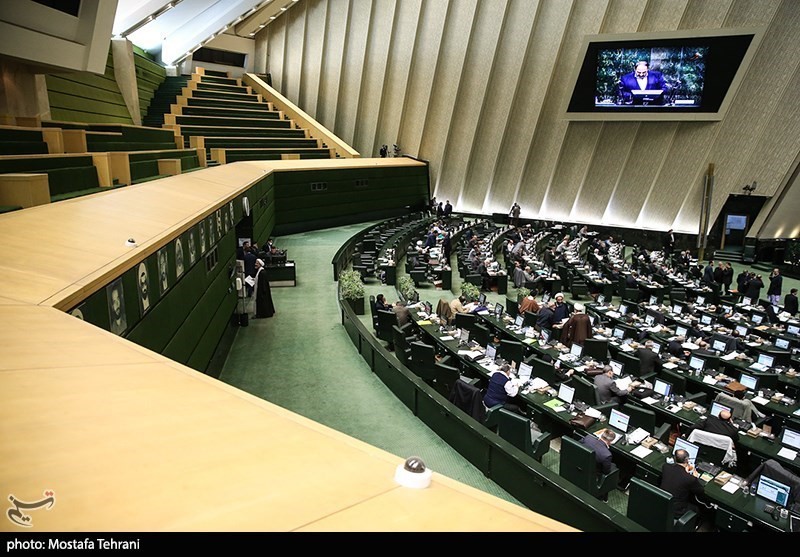
- Parliamentary Oversight: The Iranian Parliament should actively oversee organizations such as the Department of Environment, the National Standards Organization, and the National Iranian Oil Company to monitor compliance, investigate violations, and ensure accountability in implementing CSR laws.
This study was conducted at Islamic Parliament Research Center Of The Islamic Republic Of IRAN in collaboration with Sina Sheikhi, Mohammad Hossein Peiravi, Fatemeh Mirjalili, Aminollah Paknejad, Iman Tehrani, Ali Rabbani, Hesam EzatAbadi and Mohammadtaghi Zargham Afshar in 2022.
To read more, click here