Drafting initial scenarios of the national waste management structure, prioritizing them, and presenting an optimized national structure for waste management
Abstract
Waste management is considered one of the key aspects of sustainable development, and numerous laws and regulations have been enacted and implemented in many countries. However, in Iran, waste management faces numerous challenges and issues, despite the fact that more than 20 years have passed since the enactment of the Waste Management Law. The main challenges include ‘the failure of most responsible agencies and institutions to fulfill their assigned duties and obligations under the law,’ ‘the lack of prioritization of waste management issues by organizations alongside other institutional responsibilities,’ and ‘the absence of clear financial and legal mechanisms for private sector involvement.’ Addressing these challenges requires effective solutions.
In this article you read about:
Drafting Initial Scenarios for the National Waste Management Structure
Develop initial scenarios for a national waste management framework, consultations were held with stakeholders from government, private sector, and civil society. Based on these discussions, six main scenarios were proposed:
- Status Quo – Maintain the current structure with minor legal improvements; municipalities and producers remain responsible for waste handling.
- Enhanced Existing Structure – Strengthen current institutions with dedicated waste management offices in key ministries and revise relevant laws.
- Supervisory National Waste Management Organization – Create a central organization under the President or Vice President for policy, coordination, and oversight, without altering local execution.
- Supervisory & Executive Organization – Same as Scenario 3, but with full authority over execution and branches across provinces.
- State-Owned Waste Management Holding Company – Establish a specialized company under the Ministry of Interior to handle planning, supervision, and coordination of waste services, similar to models in other public utilities.
- Northern Region Pilot Task Force – Create a specialized national task force focused on the waste crisis in northern cities, potentially expandable nationwide.
Prioritization and Proposal of an Optimal National Waste Management Structure
Using the AHP method and the ACCEPT technique, six proposed national waste management structure scenarios were evaluated based on expert input. Scenario 2—which involves strengthening the current structure—was identified as the most feasible, while Scenario 4 had the lowest feasibility.
Scenario 2 Highlights:
Maintain the existing structure:
- Establish and enhance waste management departments in the Ministry of Interior and relevant ministries (Oil, Energy, Industry, Health, Agriculture).
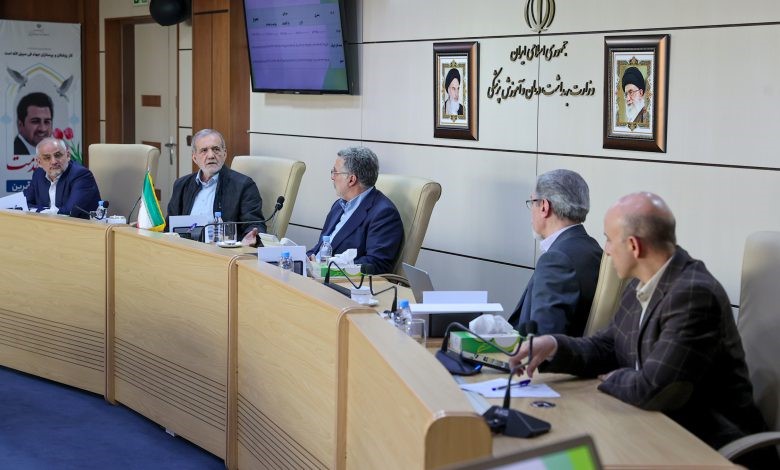
- Strengthen the National Waste Management Task Force by assigning its leadership to the First Vice President.
- Locate the task force’s secretariat within the Department of Environment for follow-up and monitoring.
Key Recommendations:
- The Department of Environment should supervise all relevant executive bodies.
- Develop a National Waste Management Program in collaboration with stakeholders within six months.
- Establish a national integrated waste management monitoring system to track institutional performance.
This study was conducted at Islamic Parliament Research Center Of The Islamic Republic Of IRAN by AboAli Golzari, Masoud Rezaei, Hossein Nematollahi, and Sadegh Ghaderi in 2022.
To read more, click here