
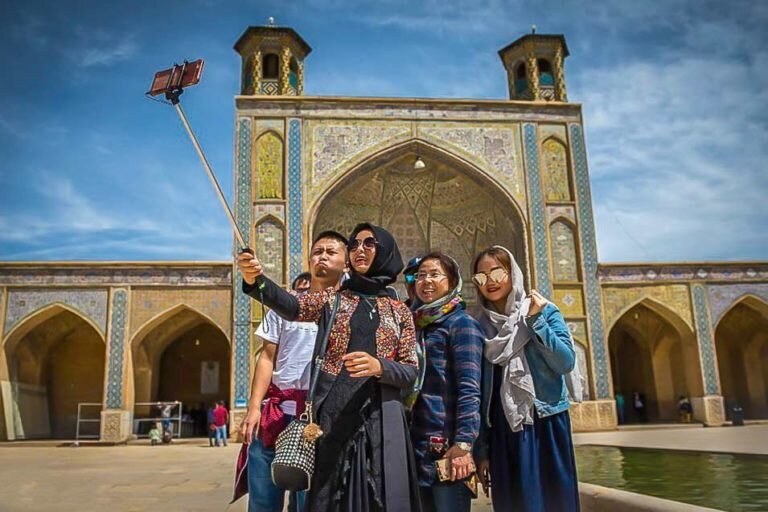
An analytical commentary on the complex interplay between media, society, and large-scale crises (including war) and their impact on the tourism industry
Impact of War and Security Crises on Tourism
The tourism industry is highly sensitive to political and security conditions. War not only disrupts domestic and international travel but also damages the country’s global image. In this context, media plays a dual role: on one hand, it can exacerbate crises by spreading misinformation; on the other, through hopeful and realistic narratives, it can help restore stability and rebuild tourist confidence.
Media as a Strategic Tool in Tourism Development
During times of crisis, media is more than just a tool for disseminating information — it becomes a strategic instrument for reconstructing the image of national tourism. Professional content production, showcasing safe and hidden attractions in Iran, and amplifying positive narratives of internal stability are among the key strategies to keep the tourism sector alive even under difficult conditions.
Digital Challenges and Internet Restrictions
Today, a significant portion of tourism marketing relies on digital platforms. In times of crisis, internet restrictions not only hinder communication with foreign tourists but also obstruct the ability to monitor global news and reactions. This underscores the need to develop alternative strategies, such as using secure communication networks and collaborating with international media outlets.
The Need for Professional Narrative Building in Tourism
Crafting a compelling and credible narrative of Iran as a safe and attractive destination requires trained and specialized professionals in media and tourism. Unfortunately, the lack of structured training and limited experience in managing media crises pose major obstacles. Think tanks and expert institutions must step in with practical solutions to address this gap.
The Role of Society in Reviving Tourism
The Iranian public, especially during crises, can play a vital role in revitalizing tourism through active participation in domestic tourism and promoting hospitality. Field studies show that during periods of instability, domestic tourists tend to prefer visiting lesser-known yet safe destinations. Therefore, strategic planning to strengthen local tourism and introduce new attractions can be an effective response.
Conclusion and Recommendations
- Establish a specialized task force on media and tourism for crisis management.
- Create targeted content to promote Iran as a safe and appealing destination internationally.
- Train skilled professionals in crisis communication and tourism marketing.
- Strengthen digital and communication infrastructure to facilitate tourism outreach.
- Leverage grassroots organizations and civil society to boost domestic tourism.
This study was conducted at Iran Tourism Improvement ThinkTank by Pegah Yavarifar in 2025.


