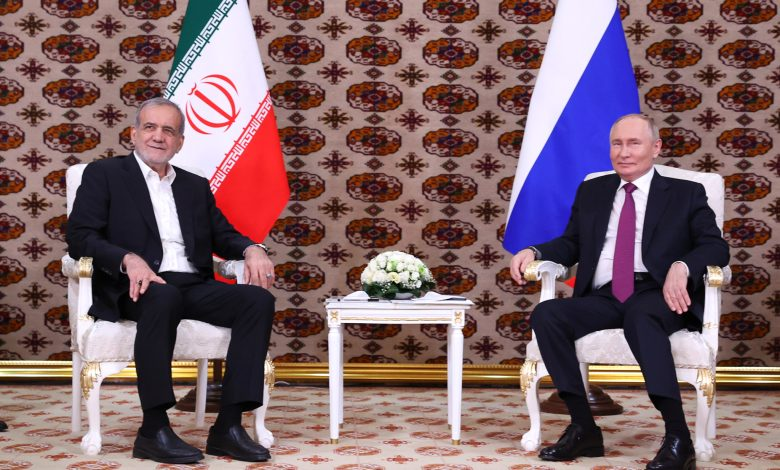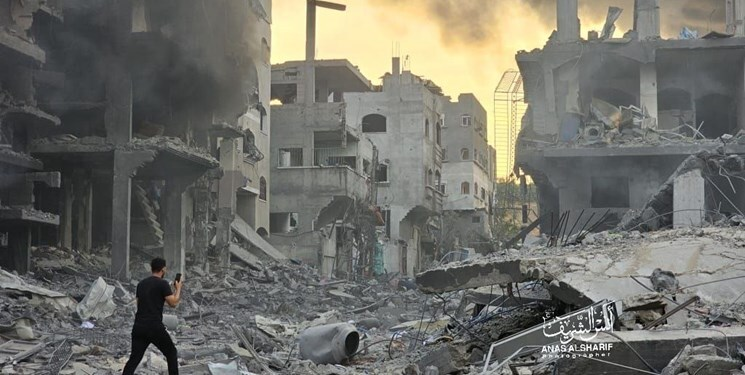
An Analysis of Arabic-Speaking Users’ Positions on the Social Network X Regarding the Ceasefire Announcement and the End of Israel’s Imposed War Against Iran (2025/06/12 – 2025/06/25)
Abstract
In recent years, Arabic-language social networks have become a primary arena for shaping public opinion and directing political discourse in the Middle East. Tensions and agreements among key regional players—particularly Iran and the Zionist regime—are widely reflected on these platforms. A detailed analysis of this content enables us to better understand the attitudes, emotions, and positions of influential groups, and to uncover dominant patterns in political and social discussions. This is an undeniable necessity for formulating effective media and diplomatic strategies.
Pulse of Public Opinion: Measuring the Reactions of Arabic-Speaking Users
Following the ceasefire, the Arabic-language space on X witnessed two parallel but opposing trends:
1. Rising Targeted Criticism by Saudi and Syrian Users
Many Saudi and Syrian users framed the conflict as a geopolitical rivalry unrelated to Palestine. They pointed to the lack of any mention of Gaza in the ceasefire as evidence. Iran’s Operation Besharat-e Fath and the strike on Al Udeid base in Qatar were seen by some as signs of Iran’s ambitions toward Arab territories.
2. Dominance of the Pro-Iran Narrative
Despite the criticism, pro-Iran sentiment dominated the discourse: 73.33% of influential content supported Iran, while only 23.87% expressed negativity. Notably, this negativity didn’t imply support for Israel. Only two out of nine identified discourse streams were anti-Iran, largely driven by Saudi media networks and Syrian users.
Two Main Narratives in the Arabic X Space: Aligned vs. Oppositional
The content produced can be categorized into two main currents:
Aligned Narratives (The “Iranian Victory” Perspective)
Emphasizes Iran’s victory by highlighting its strategic successes — halting Israeli objectives, managing damage, and compelling a ceasefire. Users praised Iran’s missile operations, the supportive role of Qatar and Yemen, and linked the ceasefire to the broader call to end the Gaza war. Israel is portrayed as internally unstable.
Oppositional Narratives (Narrative of Undermining and Pressure)
Focuses on Israel’s military gains and the international coalition against Iran. It criticizes Iran’s leadership, points to civilian casualties from Iranian strikes, frames the loss of resistance leaders as beneficial, and stresses Saudi Arabia’s diplomatic influence in achieving the ceasefire.
Arab Analysts: This Ceasefire Is Not a Lasting Peace
Arab analysts see the ceasefire as temporary, driven by crisis control rather than real resolution. With core issues like Gaza unresolved, future conflict is likely.
Operational Strategies to Strengthen Iran’s Narrative in Arabic Media
Promote Iran’s role via multilingual content, Arab media engagement, rapid response to disinformation, emphasis on Palestine, cultural alignment, narrative monitoring, criticism of Arab inaction, and anti-normalization campaigns.
This study was conducted at Institute of Islamic World Futures Studies by Sajad rafiei in 2025.
To read more, click here