A comprehensive review of the current situation and the government’s strategic priorities for sustainable development and biosecurity in the water sector
Abstract
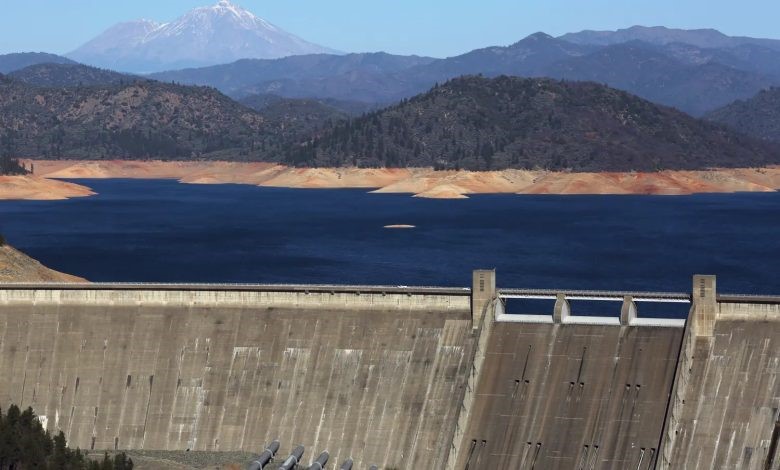
As a country with an arid and semi-arid climate, Iran has long faced challenges such as water scarcity, drought, and flooding. Climate change, population growth, and rising water consumption have further strained the country’s limited water resources. These crises have had profound impacts on the economy, food security, and environmental sustainability. Despite the critical importance of water resources, structural and institutional weaknesses, along with inadequate legal frameworks in the water governance system, have exacerbated the problems. Therefore, reforming policies and management structures—particularly through a cross-sectoral and participatory approach—is essential to prevent further resource degradation and the emergence of social tensions.
Strengths, Weaknesses, Opportunities, and Threats of Iran’s Water Governance System
Strengths:
Skilled professionals, advanced water engineering, modern infrastructure, institutional efforts (e.g., High Council for Water), and recent reforms in agriculture and energy sectors.
Weaknesses:
Management based on political rather than hydrological boundaries, poor coordination among institutions, inadequate infrastructure, reliance on water transfer projects, and centralized responsibilities.
Opportunities:
Potential for legal reform, involvement of civil society, youth expertise, innovation from knowledge-based firms, and regional cooperation on shared water resources.
Threats:
Climate change impacts (droughts, floods), unsustainable agricultural policies, water stress in major cities, political pressures for overuse, and structural resistance to institutional reform.
Strategies for Implementing an Effective Water Governance System in Iran
The strategies for effective water governance in Iran are based on documents and expert insights, and fall into key categories. These include encouraging broader stakeholder participation in watershed-level water management, empowering capable private sector actors, and supporting NGOs in water resource efforts. Structural reforms such as downsizing government, decentralizing decision-making, enhancing inter-agency cooperation, and improving administrative efficiency are also emphasized. On the legal front, strategies focus on legislative alignment with real-world needs, anti-corruption measures, resolving conflicts of interest, preventing land appropriation through legal loopholes, and avoiding laws that legitimize illegal water use.
Prioritizing Strategies for the 14th Government of Iran
The 14th Iranian government has identified five top priorities for improving water governance: analyzing past policy failures, addressing conflicts of interest, creating a water data and information system, integrating ecological capacity into land-use planning, and shifting policy-making from economic focus to justice-based approaches. Key issues include weak implementation of previous water policies due to fragmentation, lack of transparency, and overlapping responsibilities. Conflicts of interest—especially between major ministries—have led to poor water management outcomes. Additionally, the absence of a unified, transparent data system has hindered effective monitoring. Reforming governance through evaluation, legal clarity, and coordinated data systems is essential for sustainable water management.
This study was conducted at Center for Strategic Studies in 2024.
To read more, click here