A Pathway to Sustainable Development and Climate Change Mitigation
Greenhouse gases are one of the main drivers of climate change and global warming, as they absorb infrared radiation and increase the Earth’s surface temperature. Human activities such as burning fossil fuels, agriculture, and industrial processes have led to an increase in the concentration of these gases in the atmosphere. Carbon dioxide, methane, and nitrous oxide are the most important greenhouse gases that play a major role in global temperature rise. The increase in these gases has caused environmental problems such as severe climate change, melting glaciers, and rising ocean levels. Examining the trends of greenhouse gas emissions in countries, including Iran, is essential for adopting effective reduction strategies to mitigate the harmful impacts of climate change and achieve sustainable development.
Strategies for Reducing Greenhouse Gas Emissions in the Agricultural Sector
Greenhouse gas emissions in Iran increased from 651 million tons in 2005 to 997 million tons in 2023. To reduce these emissions, key strategies include:
- Using renewable energy sources such as solar panels in farms, greenhouses, and livestock facilities;
- Producing nitrate fertilizers with renewable energy and providing financial support for related projects;
- Improving nitrogen use efficiency by applying coated fertilizers and encouraging farmers to adopt them;
- Preserving soil carbon by preventing land-use changes and increasing mulch and plant residues;
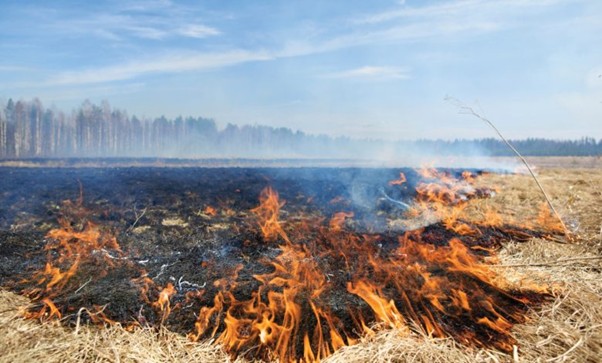
- Reducing methane emissions in rice paddies by increasing yield, shortening flooding periods, and avoiding burning rice straw and stubble.
This study was conducted at National Agriculture and Water Strategic Research Center in 2025.
To read more, click here