A Study on the Academic Performance of Students in Iranian Schools, the Challenges and Issues of the Education System, and Policy Recommendations in this Field
Abstract
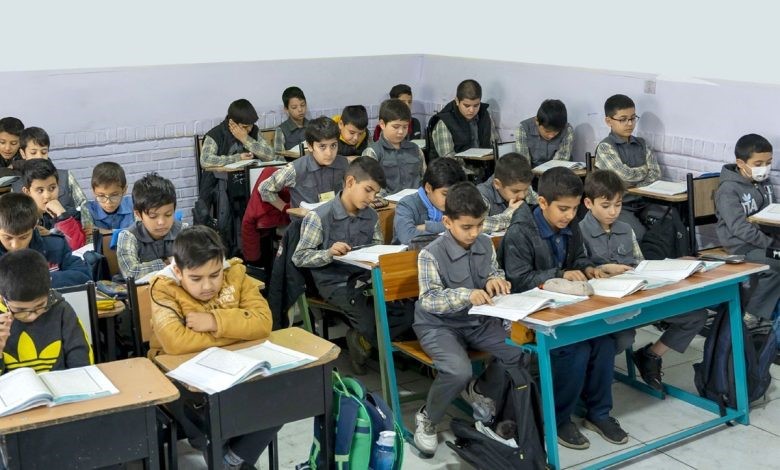
The national education system is divided into two main components: schools and the administrative organization of educational governance. The ultimate goal of schools is to provide quality education and upbringing for children and adolescents so that, along with their holistic development, they can gain fair access to social and occupational opportunities as they approach adulthood. In other words, the mission of schools is to ensure high-quality education for all students. Accordingly, the criterion for evaluating schools is their educational, developmental, and social outcomes, while the criterion for assessing the large administrative body of the Ministry of Education is its capacity to meet the needs of schools. Nevertheless, in recent years, the quality of this system’s performance has been subject to serious criticism.
In this article you read about:
Assessing the Academic Performance of School Students in Iran
This report highlights key indicators of student outcomes in Iran, focusing on international standardized tests and high school diploma attainment. The most reliable data come from national final exams, TIMSS (math and science in grades 4 and 8), and PIRLS (grade 4 reading).
National Exams 2024
- Average scores: 11–12 (math, sciences, Islamic studies), ~9 (humanities)
- Large provincial gaps; Sistan & Baluchestan lowest (7.5)
- In 10 provinces, ~30% of youth (18–24) lack a high school diploma.
International Assessments (TIMSS 2023, PIRLS 2021)
- 4/10 students below minimum in reading, math, science
- 7/10 fail to meet basic learning standards
- Evidence of learning poverty: expansion without quality, driven by low education quality + economic hardship.
Challenges and Issues of the National Education System
A review of the available data shows that, despite the presence of schools throughout Iran, internal shortcomings have significantly hindered their performance.
In Meeting School Needs
Despite schools being present across Iran, internal shortcomings have hindered performance. The education budget has dropped from 20% to under 10% in 30 years. Many teachers (around 40%) were hired without proper screening, and nearly 70% lack basic training. Preschool education is unavailable for 60% of children, traditional teaching methods dominate, and instructional time averages less than 600 hours per year, far below the global standard.
In Organizational and Managerial Structures
The Ministry of Education is outdated and poorly coordinated. Opportunities for young talent are limited, decision-making is highly centralized, secondary education is rigid, and the system lacks transparency and effective evaluation mechanisms.
Policy Recommendations
To address current challenges, it is recommended to gradually increase the education budget, expand free preschool programs, and improve teacher training through mentorship. The Ministry should be strengthened with skilled staff, migrant children supported through community and international assistance, and 30 days added to the school calendar.
This study was conducted at Center for Strategic Studies in 2024.
To read more, click here