Review of the objectives and performance of the Kabul International Water Conference 2025 and presentation of policy recommendations for improving transboundary water governance
Abstract
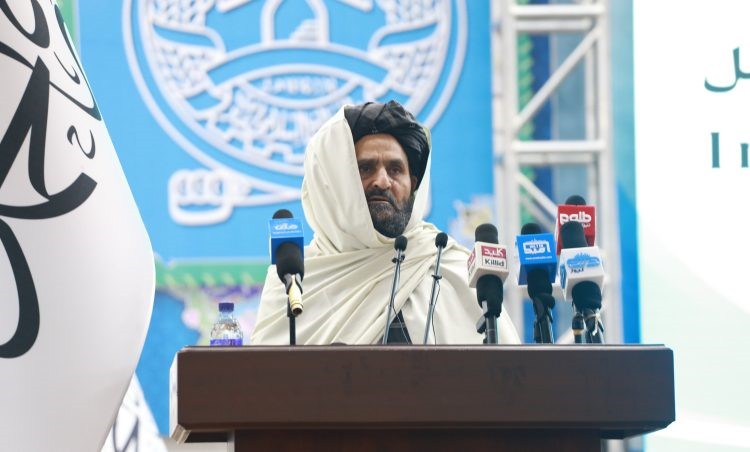
The first “International Water Conference” of Afghanistan, under the slogan “Clean Water, Healthy Life”, was held from February 24–26, 2025 (Esfand 6–8, 1403) at Kabul Polytechnic University. This scientific event was initially scheduled for May 21–23, 2024 (Khordad 1–3, 1403), but for unknown reasons, it was postponed three times and was ultimately held on the mentioned dates. The three-day conference took place with the participation of senior officials of the Taliban’s Islamic Emirate government, Afghan researchers, and a number of foreign scholars, but without the presence of women researchers.
Conference Themes
The conference received a total of 188 papers, of which 133 were selected for presentation. Among these, 26 papers were submitted by non-Afghan researchers from eleven different countries.
The presented papers were categorized into six main thematic areas:
- Sustainable management of surface and groundwater resources
- Water supply and sanitation
- Climate change and its impacts on water resources
- Water resources policy-making
- Sustainable development and the future of water resources
- Hydraulic structures, irrigation networks, and the impacts of human activities on water resources.
Policy Analysis
Policy Brief: Kabul International Water Conference 2025
The Taliban government has increasingly leveraged science diplomacy to address water security issues. In the past year, it organized the International Climate Change Conference at Nangarhar University and a Kabul meeting highlighting Afghanistan as one of the six most climate-vulnerable countries.
At the Kabul International Water Conference, this narrative served three main purposes:
- Attracting international funding for climate adaptation projects;
- Justifying reductions in downstream water allocations (e.g., to Iran) under the claim of drought;
- Expanding water infrastructure and irrigated land using climate change as a rationale.
Policy Recommendations
- Expand scientific diplomacy (conferences and joint research) to strengthen Iran’s scientific collaboration on transboundary water issues.
- Streamline and reform structures and mechanisms for cooperation within organizations and institutions involved in scientific diplomacy on water and environmental issues.
- Develop a national scientific diplomacy roadmap in the field of water and environment, avoiding the securitization of scientific collaborations by certain government authorities.
This study was conducted at Rastaar by Behnam Andik in 2025.
To read more, click here