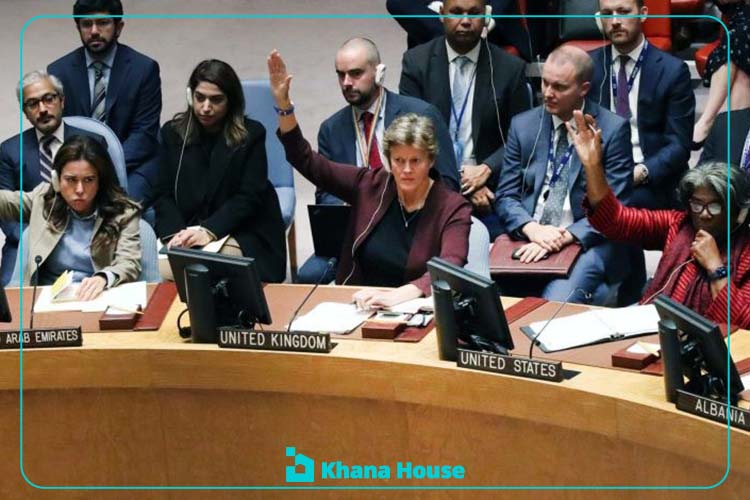
After World War II, in 1945, the victorious countries formed the United Nations and established the Security Council, granting veto power exclusively to five countries: United States, Russia, France, United Kingdom, and China. This arrangement primarily represents Christians, atheists, and influential Jews, sidelining Muslims who make up 25% of the global population, with no Muslim representative in the Security Council possessing veto power. According to this, we believe that redesigning international structures should be prioritized.
Impact of Veto Power
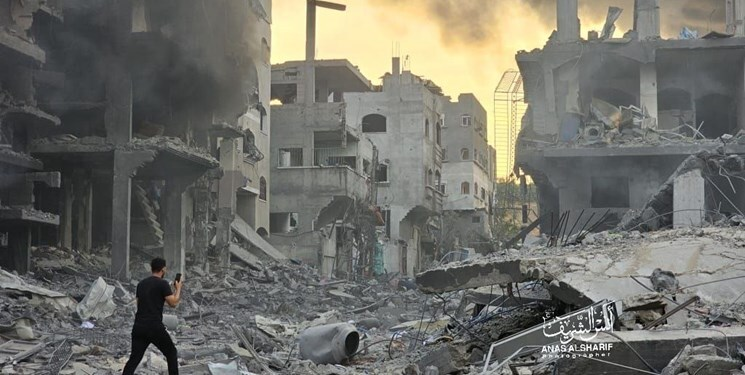
The exclusive veto power allows these five nations to easily invade and exploit Muslim countries and those in the Global South rich in oil, gas, and minerals. This has resulted in military, economic, cultural aggression, and sanctions against Muslim nations.
Proposal for Muslim Representation
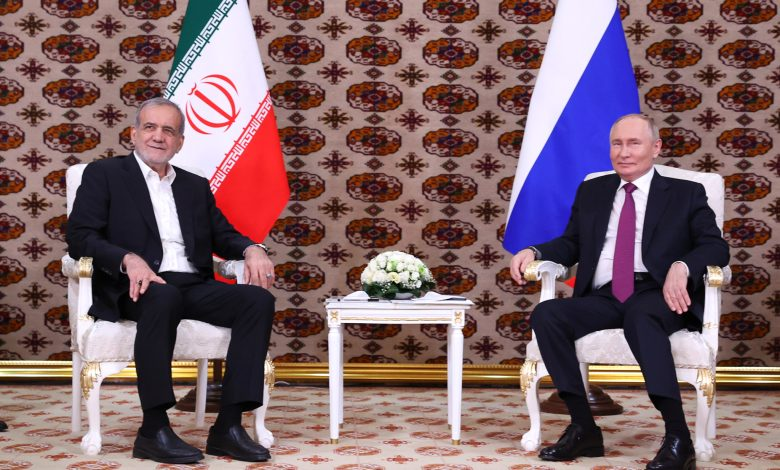
It is crucial for Muslim countries to select a strong nation to represent them with permanent membership and veto power in the UN Security Council. Iran is suggested as the most qualified representative to address injustices globally, as current structures have led to sustained warfare and oppression.
Obstacles to Redesigning International Structures
The existing composition of the Security Council has remained unchanged for 81 years, exacerbating global injustices. To secure a permanent Muslim representative with veto power, three main scenarios have been proposed, but none have yet been successful:
- Amending the UN Charter
- Requires two-thirds support and consent from all five permanent members.
- Challenge: Consensus among veto holders is nearly impossible.
- Creating a Joint OIC Seat
- The OIC could manage a permanent seat.
- Challenge: Difficulties in decision-making and acceptance.
- Emergence of a Major Muslim Power
- A strong Muslim nation like Iran could change global dynamics.
This policy Note is written by Mohammadreza Haddadi from Amirkabir Productivity Governance Think Tank in 2026.