
The Ramadan War provided Iran with an opportunity to enhance its power and role in the international arena, which perhaps was a consequence that the United States never desired.
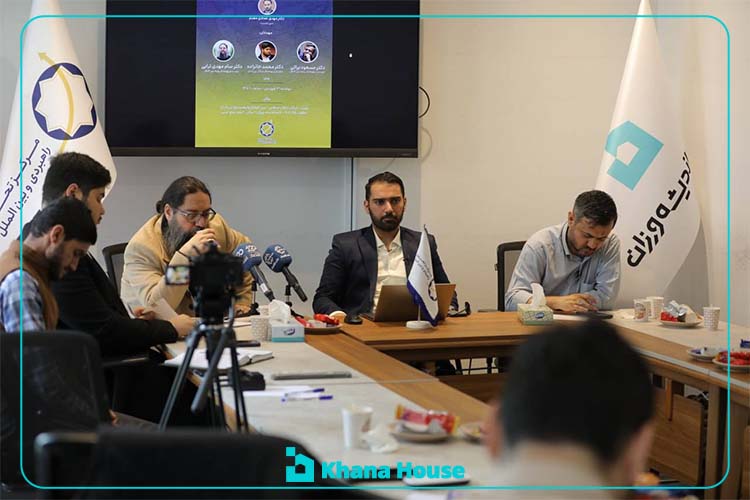
The specialized session titled “Iran’s Role in the International Order in the Post-Ramadan War World” was held on April 20 by the Strategic and International Analysis Center (Irisis Center) in collaboration with KHANA. Experts discussed the Ramadan War, Iran’s role, and the new international order.
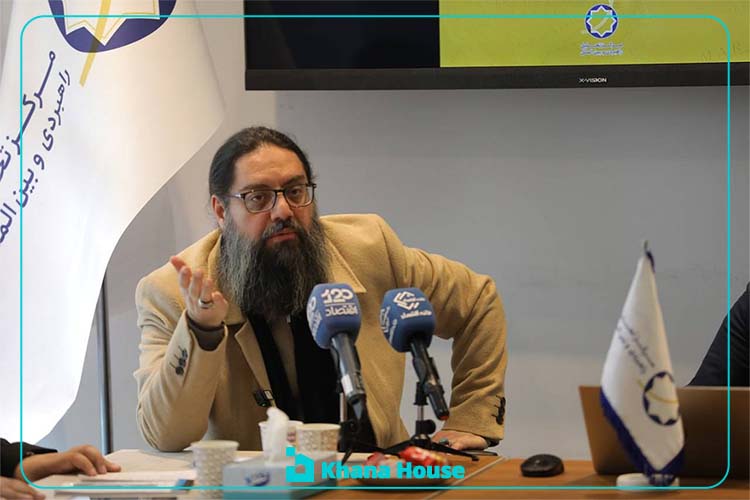
Masoud Barati emphasized that the Ramadan War, following the 12-day conflict, would determine regional order. He noted that the enemy’s focus on infrastructure revealed a failure of their initial plan, as the U.S. sought to maintain the old American order through ceasefires and negotiations. Sam Mahdi Torabi remarked that the ongoing war would shape the post-conflict order, with the public now desiring victory rather than negotiation. He emphasized Iran’s intelligent core for self-management, contrasting it with the U.S. approach. Furthermore, Mohammad Khanzadeh mentioned that Israel views the Iran-Russia-China-North Korea axis as a resistance front, while Morteza Emadi-Moghadam pointed out signs of a changing international order, evidenced by recent geopolitical events influencing the decline of U.S. dominance.


