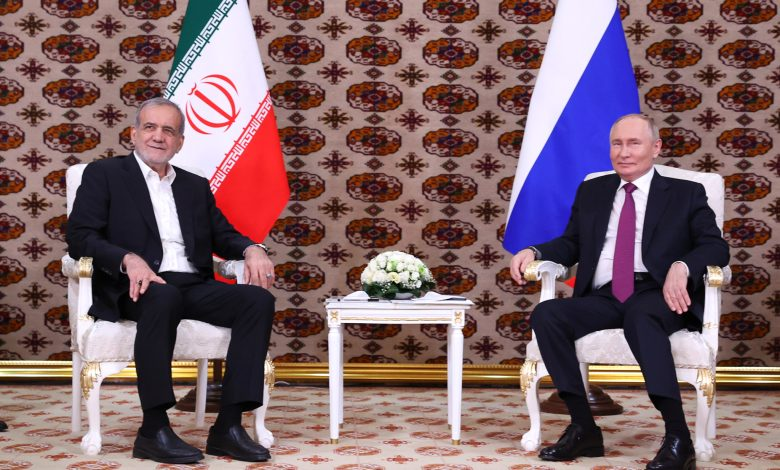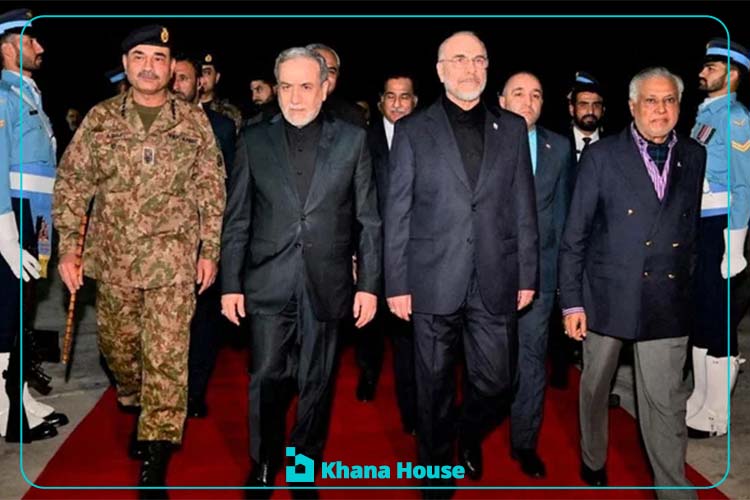
In light of Abbas Araqchi’s upcoming visit to Moscow and his meeting with Putin, it is essential to address the challenges facing Iran’s diplomatic strategy. The current negotiations in Islamabad are likely headed toward a deadlock, primarily due to Pakistan’s shifting priorities and its alignment with U.S. interests. Iran must establish a negotiation framework that is designed by itself, sophisticated enough to address the complexities of the global conflict, and capable of ensuring a sustainable peace.
Trilateral Engagement with Major Powers
Furthermore, Iran needs to proactively engage with both China and Russia on regional security arrangements in the Middle East, leveraging their shared interests to propose a collective security architecture post-conflict. By fostering trilateral discussions and acknowledging the need for strategic collaboration, Iran can better position itself within the larger geopolitical landscape, thus mitigating reliance on U.S. commitments while simultaneously enhancing its security and diplomatic options.
This strategic realignment will enable Iran to navigate the complexities of international relations more effectively and respond to potential threats in a coordinated manner.
This policy note is written by Mehdi Kharatian, head of Renewal of Politics Think Tank in 2026.
To read more, download full paper