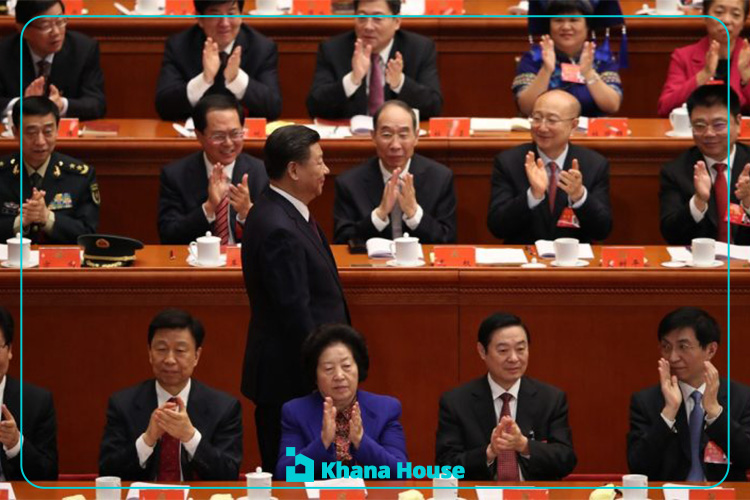
The transformation of power structures in authoritarian regimes is a major concern in global geopolitics. In China, the concentration of power under Xi Jinping and the erosion of traditional succession norms have raised growing concerns over a potential succession crisis. Given China’s strategic, military, and economic weight, uncertainty surrounding leadership transition could have significant implications for global power balances, international markets, and strategic alliances. Understanding China’s personalized leadership model and possible succession scenarios is therefore crucial for policymakers worldwide.
Examining the Power Structure and Personalist Centralization under Xi Jinping
- China’s political system has shifted from collective leadership toward personalized authoritarianism under Xi Jinping, concentrating power at the top.
- Traditional succession norms have weakened as political loyalty to Xi has increasingly replaced elite rotation and technocratic advancement.
- The anti-corruption campaign has strengthened Xi’s control by removing rivals and reshaping the political elite around ideological loyalty.
- Security now outweighs growth in Beijing’s priorities, while economic challenges—including the property crisis, local debt, and demographic decline—raise concerns about China’s long-term stability.
Possible Post-Xi Political Scenarios
- Return to collective leadership: Power could be redistributed among party elites, accompanied by economic liberalization and a less confrontational foreign policy, though rebuilding independent power networks would be difficult.
- Continuation under a loyal successor: A Xi-aligned successor could preserve current policies, including national security priorities, technological self-reliance, and a tougher stance toward the West, but may lack Xi’s political authority.
- Factional rivalry and instability: An unplanned transition could trigger intense competition among party, technocratic, and security factions, undermining political stability, financial markets, and decision-making.
- Adaptive authoritarianism: A new leader could preserve Xi’s security and ideological framework while introducing limited economic reforms to address domestic challenges and strengthen regime resilience.
This study is conducted at Saramad Thinktank by Amirhossein Asgari in 2026.
To read more, download full paper