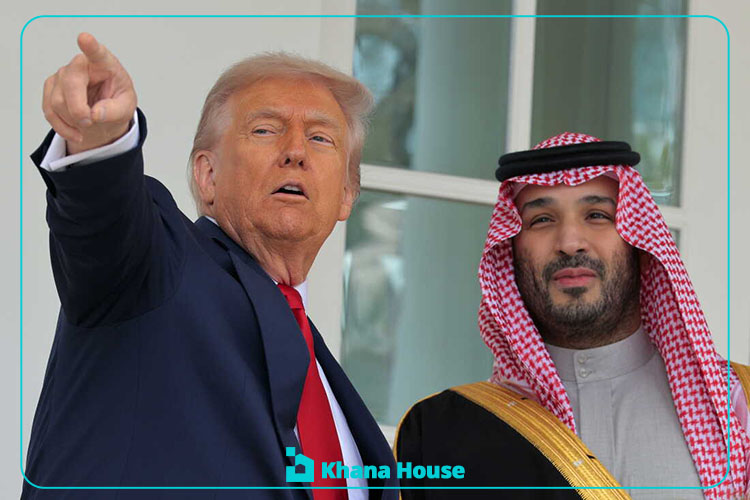
The US-Saudi nuclear cooperation agreement faces significant political and security challenges as it enters congressional review. While the deal could pave the way for Saudi Arabia to develop domestic uranium enrichment and reprocessing capabilities, its implementation remains uncertain due to stalled normalization with Israel and potential opposition in the US Congress.
Saudi-Israeli Normalization and the Nuclear Agreement
Saudi Arabia had sought US nuclear cooperation as part of a broader deal involving the normalization of relations with Israel. However, the Gaza war and public opposition across the Arab world have made normalization politically difficult for Riyadh. Without progress on normalization, the agreement could face resistance from pro-Israel lawmakers and lobbying groups, while Israel may take steps to prevent Saudi Arabia from developing domestic nuclear fuel-cycle capabilities.
Congressional Opposition to the US-Saudi Nuclear Deal
Under Section 123 of the US Atomic Energy Act of 1954, nuclear cooperation agreements are subject to congressional review. Democrats concerned about human rights and nuclear proliferation, alongside some Republicans influenced by nonproliferation concerns and Israel’s security interests, could oppose the deal. A coalition of lawmakers from both parties may therefore challenge its implementation, particularly if it permits uranium enrichment and reprocessing in Saudi Arabia.
Key Obstacles to Implementation
Despite the Trump administration’s support, the agreement’s future remains uncertain. The lack of progress toward Saudi-Israeli normalization, congressional opposition, nuclear proliferation concerns, and potential Israeli security measures could complicate its implementation. Riyadh must navigate these political, legal, and security challenges before the agreement can take effect.
To read more, download full paper