Since the announcement of the two-week ceasefire between Tehran and Washington, various analyses have emerged regarding its nature and the future of developments. Generally, in recent hours, three points have raised some ambiguities and concerns about this ceasefire:
- Firstly, the conditions stipulated in the Supreme National Security Council’s statement, including the lifting of primary and secondary sanctions, the withdrawal of American combat forces from the region, etc., are optimistic and highly maximalist, and it seems unlikely that the American side will agree to them.
- Secondly, various narratives have been presented regarding the agreed-upon version. The Iranian side has spoken of a 10-article text, while the American side has referred to three texts, with the final text, from their perspective, being realistic and negotiable. In terms of details, the U.S. President has reiterated his emphasis on zero enrichment.
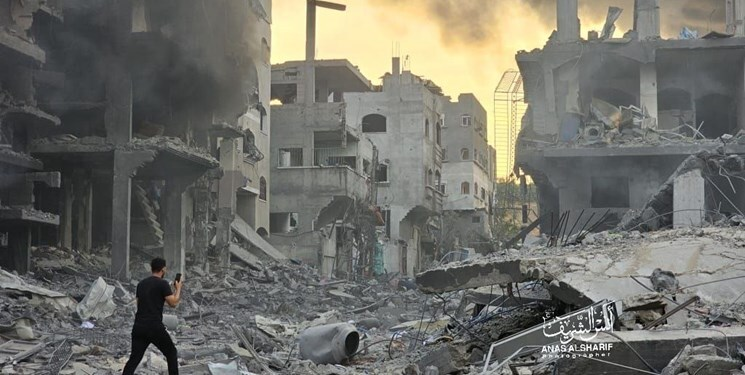
- Thirdly, the criminal attacks by the Zionist occupation regime on Lebanon last night, which resulted in the martyrdom of hundreds of innocent Lebanese citizens, raised the question of why, despite the Pakistani Prime Minister’s announcement of a ceasefire on the Lebanese front, such an attack occurred. This concern intensified when Iran, at least so far, has not reacted to these attacks.
Maintaining Strategic Leverage
Iran retains strategic leverage despite the ceasefire, including control over the Strait of Hormuz and its ready missile capabilities. Allied resistance groups also remain poised to re-engage if necessary.
Avoiding Misconceptions of Defeat
Vigilance against the adversary’s actions and preventing their negotiation goals is crucial, avoiding the perception that Iran has accepted defeat or lost deterrence. No irreversible changes to Iran’s capabilities have occurred in post-ceasefire.
This policy note is written by Tehran International Studies & Research Institute in 2026.
You can also read about the risk of Iran’s Ceasefire Before Deterrence Point