Mansour Barati, Researcher on Israel Affairs
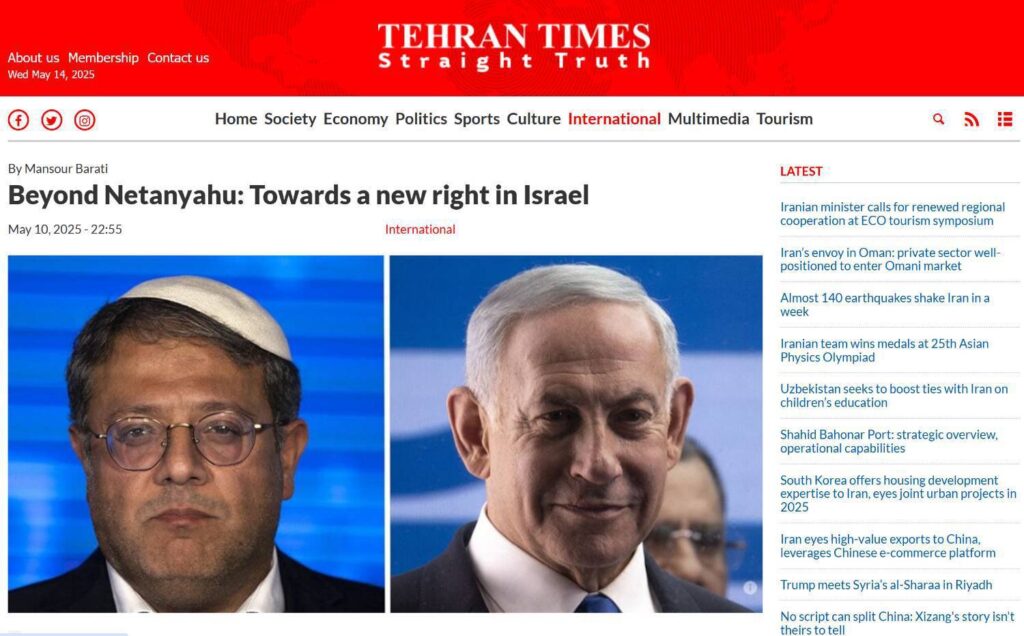
Aside from the biased polls conducted by Israel’s Channel 14 television, nearly all surveys are signaling the end of Benjamin Netanyahu’s dominance and his grip over the Zionist right-wing faction. Political stability is one of the key missing elements in Israel today. This is noteworthy considering that over the past 15 years, Netanyahu and the Likud party were generally regarded as pillars of political stability in the occupied territories.
However, from 2009 to 2019, collaboration with Netanyahu gradually lost its appeal for many parties and political figures. Over time, Netanyahu shifted from being a unifying force in the political landscape to a source of deadlock. The Labor Party last participated in a Likud-led coalition cabinet in 2011 under the leadership of Ehud Olmert. After that, it was Yair Lapid and Tzipi Livni who joined Netanyahu’s coalition cabinet in 2013, only to be dismissed by the end of 2014, turning them away from “Bibi” as well. Furthermore, the peak of disagreements between Netanyahu and Avigdor Lieberman, leader of the Yisrael Beiteinu party, over the ceasefire with Hamas in 2018, led to Lieberman exiting Netanyahu’s circle of allies.
Read full text of article in Tehran-Times Website