Special Issues

Reconstruction of West Asia After the Ramadan War

Reconstruction of West Asia After the Ramadan War

The Ramadan War caused widespread destruction in West Asia. Reconstruction offers a chance for economic transformation in energy, transport, and industry, promoting sustainable development and regional cooperation through technology and internal synergies. Islamic Republic of Iran’s Capacities for Regional Reconstruction Logic of Turning Threat into Opportunity: From Infrastructure Destruction to Regional Value Network  Widespread infrastructure […]

Reconstruction of West Asia After the Ramadan War Read More »

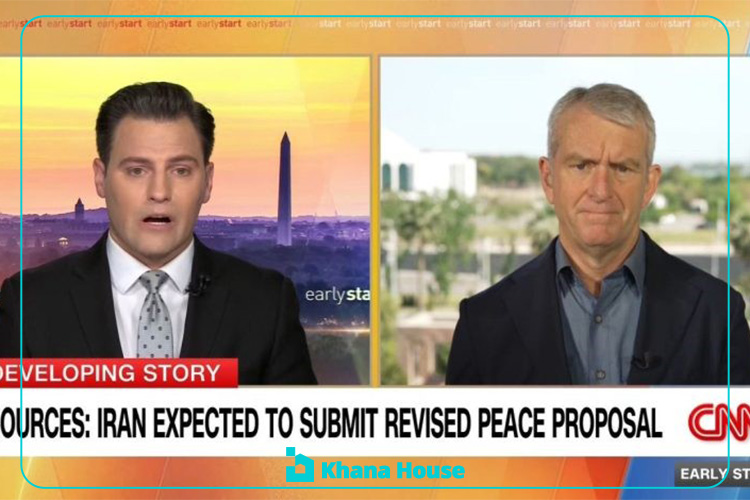
Why has Israel targeted Iran's infrastructure?

Why has Israel targeted Iran’s infrastructure?

Regime Change Strategy: An Impossible target The Zionist regime continues to pursue a regime change strategy; however, due to its significant defeat in provoking internal unrest, as evidenced by the struggles represented by the Pahlavi placards, it is forced to seek regime change through economic pressures during or after the war. The Zionist enemy aims

Why has Israel targeted Iran’s infrastructure? Read More »

Public Opinion Worldwide on the U.S. and Israeli Attack on Iran

Public Opinion Worldwide on the U.S. and Israeli Attack on Iran

In the present era, media, especially social media, play an unprecedented role in shaping public opinion and representing global events. Wars are no longer merely military; they have become arenas for contesting narratives and imagery in the digital space. The of media on the direction of global public opinion, particularly in the face of international

Public Opinion Worldwide on the U.S. and Israeli Attack on Iran Read More »

Iran's Nuclear Deterrence

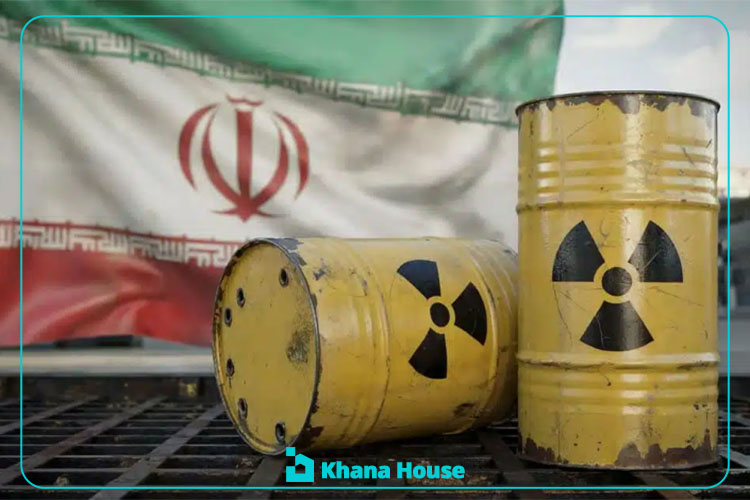
Iran’s Nuclear Deterrence: The Intersection of Historical and Geographical Imperatives

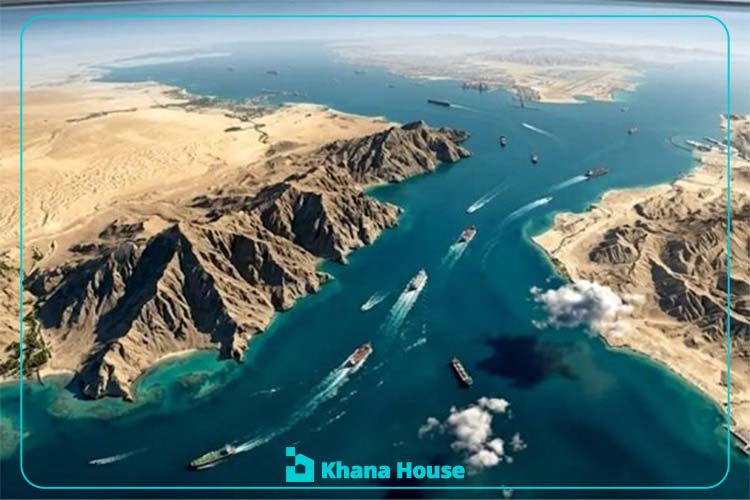
The theories of geopolitical thinkers Halford J. Mackinder and Nicholas Spykman highlight Iran’s unique position. Mackinder warned that domination of the “Heartland” (Eurasia) would lead to supremacy over maritime powers, while Spykman argued that control of the “Rimland” is crucial for preventing Heartland powers from extending their influence to the seas. This dual significance means

Iran’s Nuclear Deterrence: The Intersection of Historical and Geographical Imperatives Read More »

Limited Action of U.S.

The possibility of a Limited Action with Significant Consequences

The recent announcement of a “Weekend Surprise” by the U.S., coinciding with rising tensions and field movements, suggests more than just psychological warfare; it could indicate preparation for a targeted, surprising action. Understanding the Strategic Implications of a Limited Military Operation A significant scenario worth noting involves a limited but precise operation focused on extracting

The possibility of a Limited Action with Significant Consequences Read More »

Kurdish Question in Syria

The Kurdish question in Syria: Political and Security Challenges

The Kurdish question in Syria has become one of the most critical challenges facing the country’s transitional leadership. Amid deep political fragmentation and shifting power structures, the Kurdish question in Syria remains central to debates over state sovereignty, decentralization, minority rights, and regional power competition. Background: Kurds in Post Assad Syria Following the fall of

The Kurdish question in Syria: Political and Security Challenges Read More »

Technologies in Banking

Emerging Technologies in Banking

Emerging technologies are playing a crucial role in transforming the banking sector, providing faster, more cost-effective services, and creating new business models. Banks must adopt these innovations to stay competitive and meet the growing demands of consumers. These technologies, including AI, blockchain, and automation, help banks reduce costs, enhance productivity, and improve customer experiences. Key

Emerging Technologies in Banking Read More »

Media Management in Crisis

Media Management in Crisis and War Conditions

Media management in crisis and war conditions has become a decisive factor in national security, particularly in the era of cognitive warfare and psychological operations. Over the past decades, global experiences show that states capable of controlling narratives, coordinating communication structures, and responding rapidly to misinformation have been more successful in protecting national interests and

Media Management in Crisis and War Conditions Read More »

Regulation of Artificial Intelligence in Iran

Regulation of Artificial Intelligence in Iran

Regulation of artificial intelligence has become a critical policy issue as AI technologies rapidly transform governance, industry, and society. The growing deployment of AI in sectors such as healthcare, transportation, finance, and public administration has intensified the need for comprehensive legal frameworks to address accountability, transparency, data protection, and ethical risks. Legal and Ethical Challenges

Regulation of Artificial Intelligence in Iran Read More »

Artificial Intelligence and Religious Democracy

Artificial Intelligence and Religious Democracy

The relationship between artificial intelligence and religious democracy is becoming increasingly significant as AI transforms political, economic, and social systems. Within Iran’s model of religious democracy—where Islamic principles are integrated with democratic participation—AI presents both major opportunities and complex governance risks. This study by the Parliamentary Research Center analyzes how artificial intelligence influences core values

Artificial Intelligence and Religious Democracy Read More »