We must adopt a new strategy to deter the enemy from repeating its crimes
M. Kharatian – Various attempts have been made to prevent the outbreak of war. The Supreme Leader sent a message to the U.S. through Switzerland, and various diplomatic solutions were proposed, yet none yielded results. In such circumstances, calls for an immediate ceasefire emerge, which necessitates reevaluating the situation leading up to the war.
Current Conditions Leading to Conflict
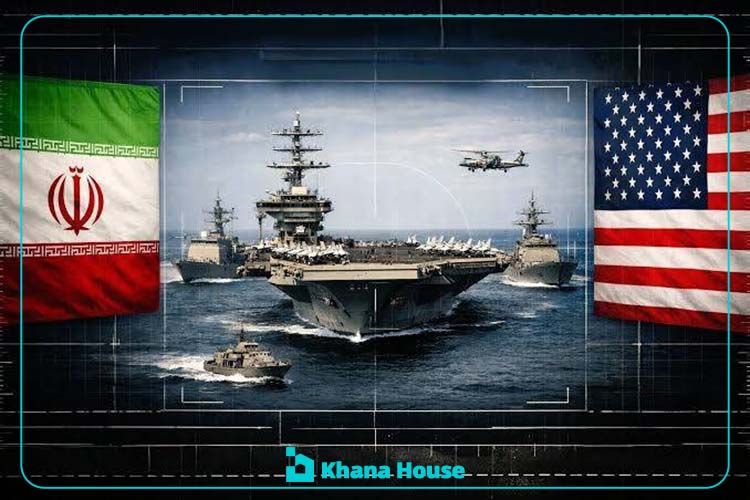
- U.S. Encirclement: Iran found itself surrounded by the United States, with the shadow of war constantly looming over the region, entrapping the nation in a draining dilemma of “war or negotiation.”
- Continued Pressure: Extensive sanctions, along with security measures such as assassination and sabotage, have been part of the ongoing pressure against Iran.
- Israel’s Presence: Clear signs emerged showing Israel’s expanding influence in Iran’s surrounding environment, with collaboration from some neighboring nations becoming more apparent.
- Territorial Disputes: The territorial disputes with the United Arab Emirates remain unresolved, especially as UAE serves as a significant base for anti-Iranian financial and political networks.
Consequences of a Ceasefire
Declaring a ceasefire now would leave everything poised for the next round of conflict, similar to the aftermath of the 12-day war. The aggressor must be punished, and the assassination of the Supreme Leader is unacceptable. Once the cost of war has been paid, a new equation must be established.
Conditions for Ending the War
- Political Consequences for the U.S.: Trump must conclude that continuing the war equates to political suicide, especially considering actions like the assassination of the Supreme Leader, which would only deepen his political implications.
- Change in Negotiation Dynamics: Negotiations cannot continue in previous frameworks; a new leader must be established, and their position on key issues must be clarified.
- Reduction of U.S. Military Presence: U.S. military bases in the region should not be repaired or reinforced, and their level of presence and threat must be diminished.
- Regional Cooperation: Cooperation with regional countries should be contingent on the normalization of their relations with Iran and the cessation of any security collaboration with the U.S. and Mossad. Additionally, territorial claims by the UAE must end.
- Control Over Hormuz Strait: The Strait of Hormuz must be recognized as under Iran’s sovereignty, transforming this geopolitical position to eliminate ongoing sanctions against Iran.
- Response to Terrorism: Any act of terrorism, in any form, must be considered a declaration of war and met with military response.
Conclusion: Establishing a New Equation
To conclude, the end of the war requires not just a ceasefire but rather a comprehensive framework that establishes new conditions and equations for peace, ensuring a sustainable resolution to ongoing conflicts.