KHANA Dialogue | Vinay Lal, Professor at UCLA
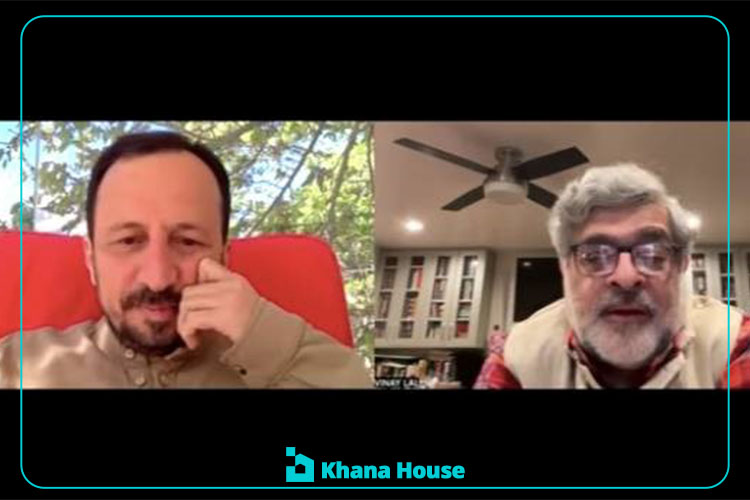
Mohammad Hossein Satarian sat down with historian and UCLA professor Vinay Lal, Known for his critical scholarship on American imperialism, Gandhian thought, Indian civilization, and contemporary media culture for a new episode of KHANA Dialogue. Lal has long been a prominent voice in cultural and political studies. His work on the relationship between media, power, and hegemony—particularly in the context of anti-imperialist movements—has inspired scholars across the globe.
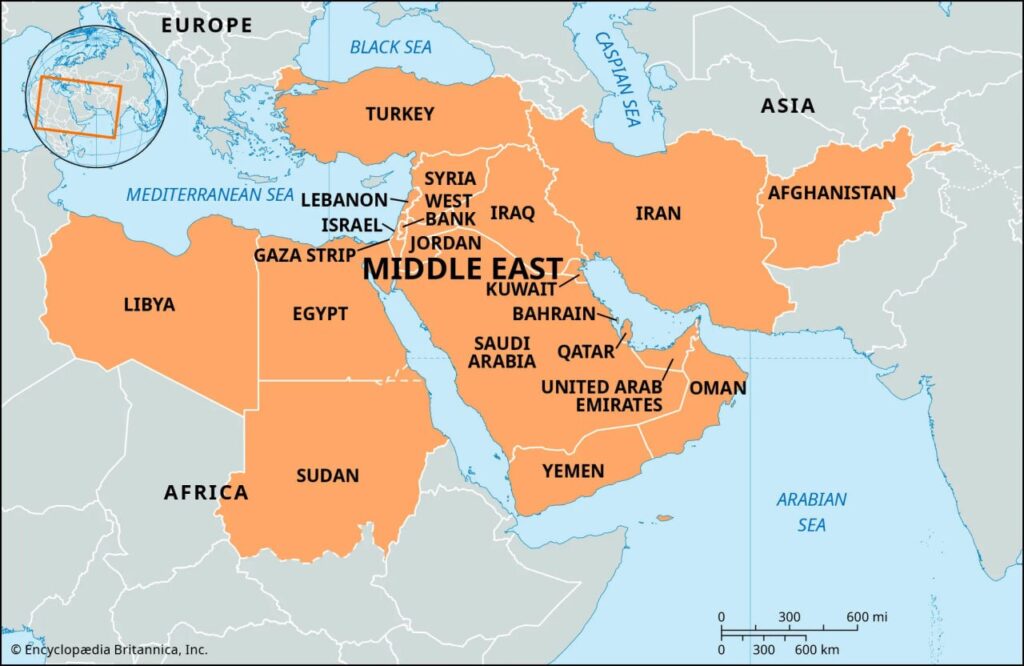
As the geopolitical landscape of the Middle East undergoes rapid and complex transformations, the shadow of a full-scale war over Iran has become increasingly visible. Many observers argue that this conflict represents far more than a conventional military confrontation. Instead, it marks a turning point in the global order and signals the resurgence of Western hegemonic ambitions.
Although tensions between Iran and the United States have persisted for decades, the prospect of direct military confrontation has fundamentally altered public perceptions. For a younger generation of Iranians who never imagined witnessing American fighter jets flying over Tehran, the conflict has become a defining historical moment. Analysts trace the roots of this crisis to the unilateral U.S. withdrawal from the Joint Comprehensive Plan of Action (JCPOA) and the subsequent escalation of economic sanctions that placed significant pressure on Iran’s economy.
However, many critics view the conflict as extending far beyond the nuclear issue. They argue that it reflects a broader attempt to reassert Western dominance and preserve a global hierarchy rooted in racial and political supremacy. According to this perspective, American military intervention is not a sign of confidence but rather an expression of deep internal anxiety and declining global influence.
How Iran’s Resistance Strengthened Social Capital and National Unity
Inside Iran, a different story is unfolding. Contrary to expectations that military attacks would generate fear, instability, or social fragmentation, many observers report the emergence of a renewed sense of collective solidarity. The experience of war has contributed to what some describe as a new “moral economy,” fostering social cohesion and strengthening national resilience.
Rather than responding with panic, many citizens have demonstrated an unexpected sense of determination and communal responsibility. The conflict has also prompted a reassessment among sections of Iran’s educated youth, some of whom previously viewed the West as a model for political and economic progress. For these individuals, the war has exposed the limitations of Western-centered assumptions and encouraged a renewed interest in indigenous paths of development and sovereignty.
As a result, ideas that once appeared to be fading from public discourse have reemerged with new relevance. Concepts such as resistance, self-reliance, and national independence are increasingly being discussed not merely as political slogans but as practical frameworks for navigating future challenges. From this perspective, the war has transformed military survival into a source of social capital, reinforcing the belief that resilience and resistance may provide the foundation for future political and economic opportunities.
Watch the full conversation here