
The public response in Iran during the intense 12-day war was not merely a momentary reaction—it was a complex map of cognitive, emotional, and behavioral transformations as Iranian society faced external threats. The findings of this study reveal that public opinion during crises behaves like a living, dynamic entity—shifting from waves of anger and sorrow in the early days to hopefulness following the ceasefire, with notable gender differences in emotional expression and generational gaps in institutional trust.
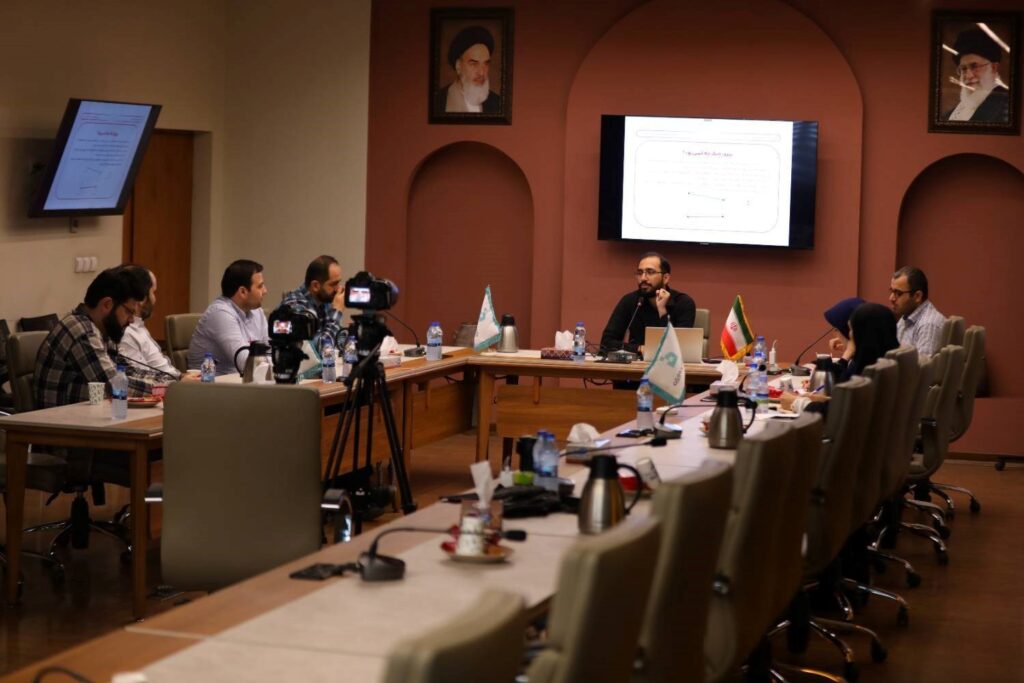
The expert panel “Mirror of War,” featuring Navid Amidī Mazaheri, Deputy Director of the Meta Center for Social Analysis, and held in collaboration with the Imam Sadegh University Growth Center and KHANA , addressed key findings:
- Public Sentiment Analysis: The emotional trajectory from anger to hope
- Sociology of Ceasefire Opponents: The influence of education, economic status, and media consumption
- Media in Crisis: Shifting public expectations toward accurate information and in-depth analysis
- Policy Strategies: The need for official communications tailored to group-specific differences
▪️ Based on a longitudinal panel study with a sample size exceeding 1,200 participants and a mixed-methods approach, this research underscores the urgent need to develop a continuous public opinion monitoring system to better manage future crises.
You can Read more on SNN Website


