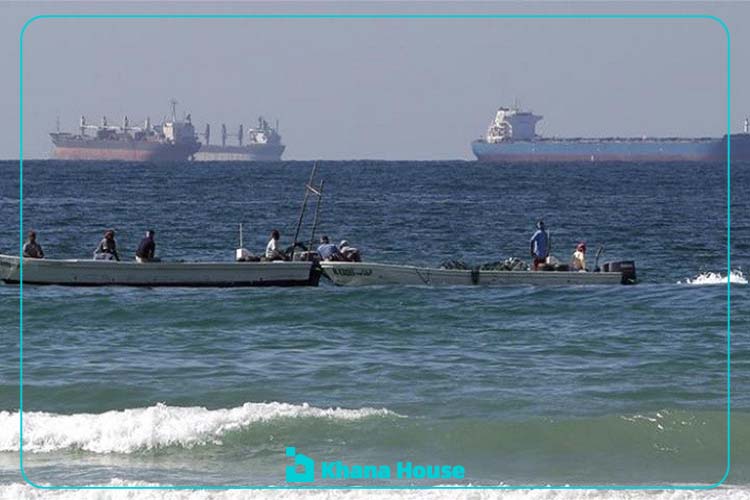
Recent measures taken by Iran to limit transit through the Strait of Hormuz during the Ramadan War can be justified under international law. These actions served as a strategic tool to exert pressure on adversaries. However, Iran needs to establish a comprehensive legal framework for the “Transit Regime” applicable during both peace and wartime.
Four Steps for Implementing the New Transit Regime:
- Redesigning Shipping Traffic: Collaborate Oman to establish a traffic separation scheme
- Mandatory Prior Approval: Implement a requirement for military vessels and nuclear carriers to obtain prior permission from Iran based on Article 9 of Iran’s Marine Areas Law.
- Security Agreements: Countries bordering the Persian Gulf seeking safe passage must commit not to threaten Iran’s security.
- Integrated Navigation Services Model: To create an economic framework for “integrated services” that includes traffic management, environmental risk monitoring, and navigation support during peacetime.
Economic Model for Managing the Strait of Hormuz
The economic model for the Strait of Hormuz consists of basic navigation fees, tailored infrastructure costs, risk fees, and safety factors based on the origin’s level. This could generate up to 40$ billion annually, emphasizing the importance of special planning to avoid making alternative routes more appealing.
Required Actions for Implementation:
- Legal and Diplomatic Initiatives: To create international support.
- Operational Procedures: For physical modifications of new safe routes.
- Institutional Frameworks: Establish organizations to manage transit.
- Financial Strategies: Develop payment systems to mitigate currency sanctions impacts.
- Infrastructure Development: Enhance ancillary revenue sources.
This policy package details the legal bases, specific features of the new transit regime, the economic management model of the strait of Hormuz, and necessary actions.
This study is conducted by Moqavemati Economy Think Tank in 2026.
To read more, Download full paper