
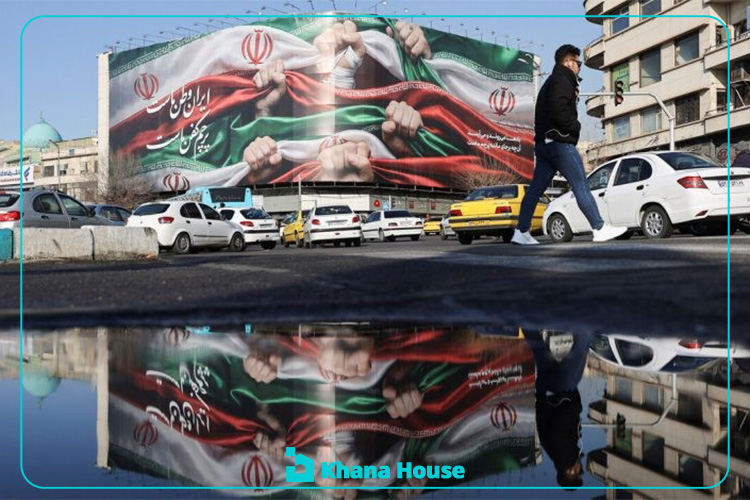
This study examines how Iran’s soft power has evolved in an international system where influence is increasingly shaped by media, digital communication, and cognitive warfare , alongside traditional military power.
Iran’s Soft Power Before the 2026 war
Before the war, Iran had strong cultural and ideological foundations of soft power, including resistance discourse, regional influence, and rich civilizational assets. However, Iranophobia, weak global media presence, sanctions, and economic pressures limited its international image and effectiveness.
Transformation of Iran’s Soft Power After the 2026 war
The war acted as a turning point, strengthening Iran’s domestic cohesion and strategic credibility. It improved regional perceptions of Iran as a resilient and influential actor, while also exposing the growing link between hard and soft power in modern conflicts.
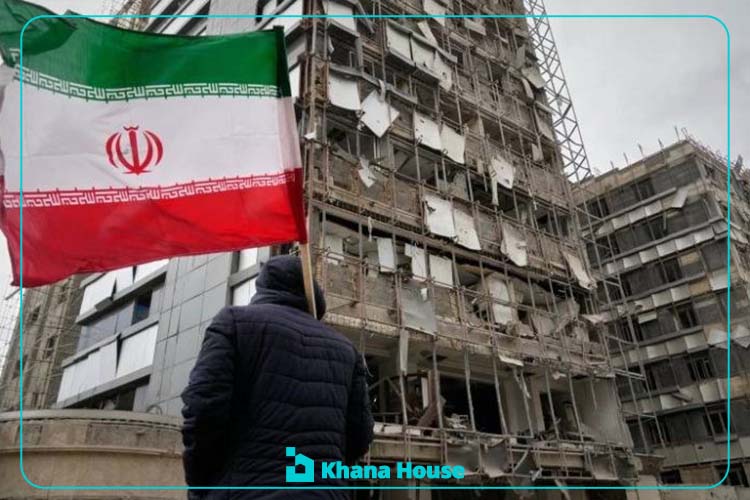
Challenges Facing Iran’s Soft Power
Key challenges include:
- The gap between political legitimacy and economic performance,
- Ongoing sanctions
- Intensified regional competition,
- And increased media and cognitive warfare against Iran.
Policy Recommendations
Strengthening soft power requires improving governance and social trust, expanding cultural and academic diplomacy, and modernizing public diplomacy through digital platforms and effective global storytelling.
Conclusion
Iran’s soft power remains significant but contested. Its future effectiveness depends on aligning domestic performance with external narrative-building and strengthening cultural and diplomatic engagement at regional and global levels.
This study is conducted at Strategic Think Tank for Creative Evolution in 2026.
To read more download full paper


