Statement of the Hekmat Institute for Policy and Strategic on the Gaza Ceasefire Agreement
Written by Aref Hosseinzadeh, Analyst at the Hekmat Institute for Policy and Strategic
Abstract
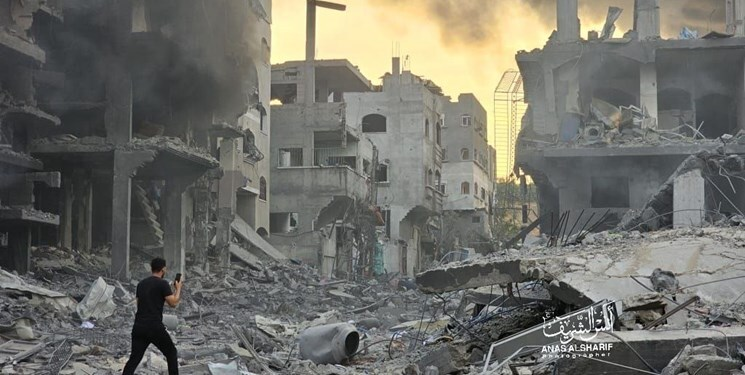
Recently, on January 20, the implementation of the ceasefire agreement between Hamas and the Zionist regime began, thus putting an end to 15 months of war and massacres carried out by the regime. This agreement had been under discussion for a long time and had repeatedly come close to finalization, only to be rejected each time by the security cabinet in Tel Aviv. First and foremost, it must be noted that this agreement is undoubtedly a clear victory for the Palestinian resistance, and we are very pleased with this achievement. However, we firmly believe that in a war filled with complexities and deception, the enemy’s actions must be scrutinized with precision, caution, and skepticism. Of course, it is clear that in such analyses, while vigilance against the enemy’s deceptions is essential, one must also avoid exaggerating their strategies and refrain from assuming that every battlefield development is part of a pre-planned scheme by them.
In this article, you read about:
1. Predictable scenarios
2. Planning to end the ceasefire after the exchange and release of prisoners, followed by renewed action against Hamas to eliminate its threat.
3. Inflicting severe damage or expanding the war to other countries within the Axis of Resistance.
4. Ending the war and returning to the Abraham Accords peace plan and corridor partnership.
5.Delivering simultaneous and combined strikes against the entire Resistance Front.
To read more, click here