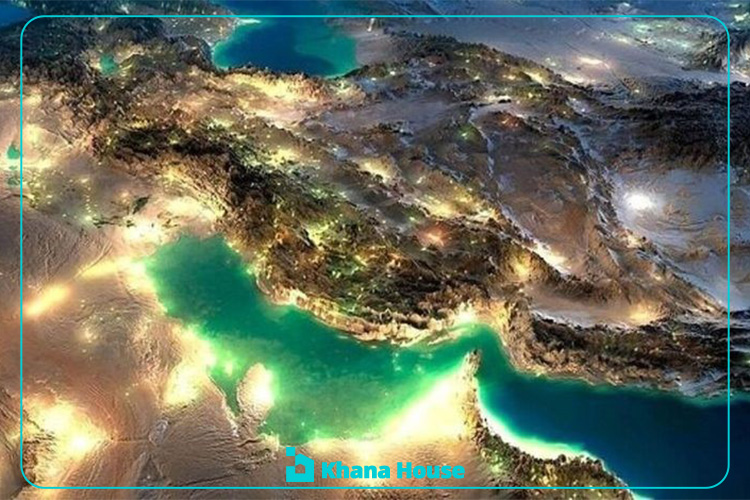
The Oil and Energy Think Tank at Imam Sadiq University (AS) offers a rigorous technical critique of the proposed pipeline alternatives to the Strait of Hormuz, asserting that such plans are more political fantasy than engineering reality.
Ruhollah Shamizad, argues that Benjamin Netanyahu’s vision of replacing the Strait of Hormuz with pipelines through Israel, particularly in the context of a hypothetical 2026 energy crisis, is fundamentally flawed. The sheer volume of oil and gas transiting Hormuz – over 20 million barrels of oil daily, representing 20% of global demand – dwarfs the capacity of even the largest existing pipelines (1.5-5 million bpd). Replacing this would necessitate constructing at least four to five “super-pipelines” across the Arabian Desert to the Mediterranean, requiring hundreds of billions in investment and an unmanageable logistical challenge for securing and maintaining dozens of colossal pumping stations.
LNG: A Unique and Unsurmountable Hurdle
LNG faces unique hurdles beyond oil: Israel’s limited coastline and lack of massive liquefaction/export infrastructure make it impossible to replace current supertanker capacity for global energy security, especially for Europe and East Asia. The proposed multi-stage transfer process would be economically uncompetitive due to increased risks, costs, and delays. Replacing an efficient maritime route with a costly, limited pipeline system is illogical and cannot meet current volumes.
Inflexibility and the Time Factor: Critical Flaws
Pipelines lack the redundancy of maritime routes, making them vulnerable to single points of failure and lengthy repairs. Furthermore, their long construction timelines (7-15 years) make them impractical for immediate crises like wartime energy needs. Upgrading existing ports for such a massive undertaking is also geographically and logistically unfeasible, rendering the concept of replacing the Strait of Hormuz with Israeli pipelines an unrealistic “energy utopia.”
This policy note is written by Ruhollah Shamizad at The Oil and Energy Think Tank at Imam Sadiq University in 2026.
To read more, Download full paper