Peyman Hosseini
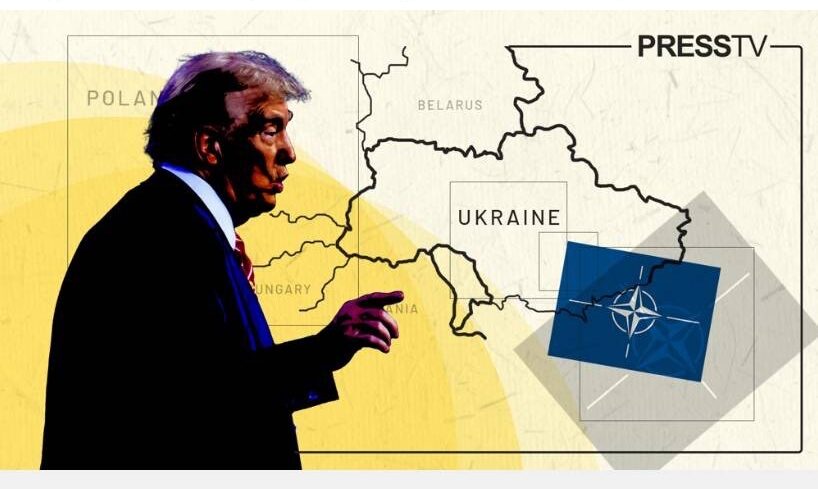
Donald Trump, the former President of the United States, became the victor of the November 5th U.S. elections at a time when the world was grappling with ongoing crises as well as some potential crises. The wars in Gaza and Ukraine are among the active and dynamic crises that are considered legacies of the Biden era.
In U.S. foreign policy, two major currents can generally be identified. The first current is the “internationalist” camp, which advocates for an active role for the U.S. on the international stage. This camp considers the U.S. presence in various regions as a duty and obligation. Such a perspective leads to the formation of alliances and coalitions to act and secure U.S. interests.
In contrast to the internationalist camp in U.S. foreign policy, there is the “isolationist” camp. The roots of this perspective can be traced back to the famous “Monroe Doctrine.” The majority of the Republican Party holds this view, which gives rise to the “America First” slogan. Sometimes, this view aligns with the mercantilist stance that was prominent during Trump’s presidency. Isolationists focus all their energy and resources on domestic affairs.
During Trump’s first term, we saw a deepening rift between the United States and the European Union, to the point where the U.S. even considered leaving NATO. However, under Biden’s administration, the most significant convergence between the U.S. and Europe occurred, with nearly identical positions on issues like the Ukraine war. The outbreak of the Ukraine war in February 2022 further repaired these rifts.
It seems that, unlike Trump’s first term, the United States and the European Union, at least temporarily and until the resolution of the Ukraine and Gaza wars, will set aside their differences and adopt a tough and non-constructive policy toward the Islamic Republic.
The full text of the article is available on Press TV Website