The concept of “anti-Americanism” is frequently used to explain tensions between the United States and countries that have experienced American military, economic, or political pressure. According to this perspective, the label often shifts attention away from historical realities such as sanctions, foreign interventions, regime-change efforts, military operations, and geopolitical influence.
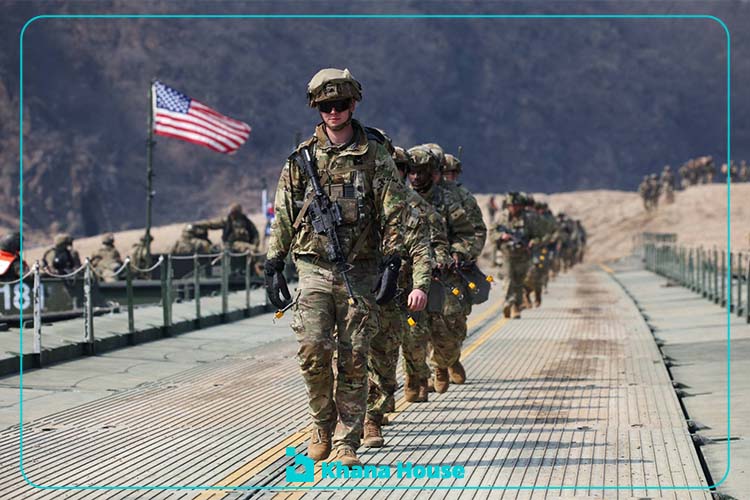
Critics argue that reducing complex international conflicts to a supposed cultural or ideological hostility toward the United States overlooks a broader history of American global intervention. Data cited from U.S. congressional research sources indicate hundreds of overseas military deployments over the past two centuries, with a significant increase after the Cold War.
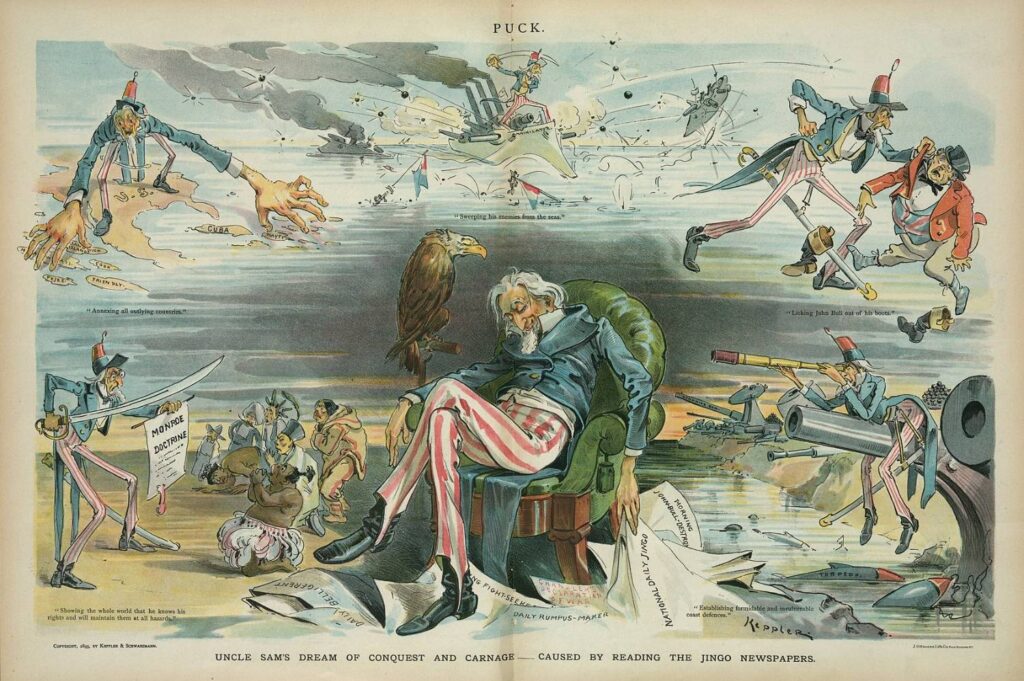
U.S. Foreign Interventions, Global Power, and the Origins of Anti-Americanism
From this viewpoint, the term “anti-Americanism” can function as a political narrative that reframes resistance to external pressure as the primary problem, rather than examining the underlying structures of power, intervention, and international influence. The debate is therefore not only about foreign policy, but also about how history, power, and global narratives are interpreted and communicated.
This note is written by Amir Khorasani in 2026. Read more on Fars News