
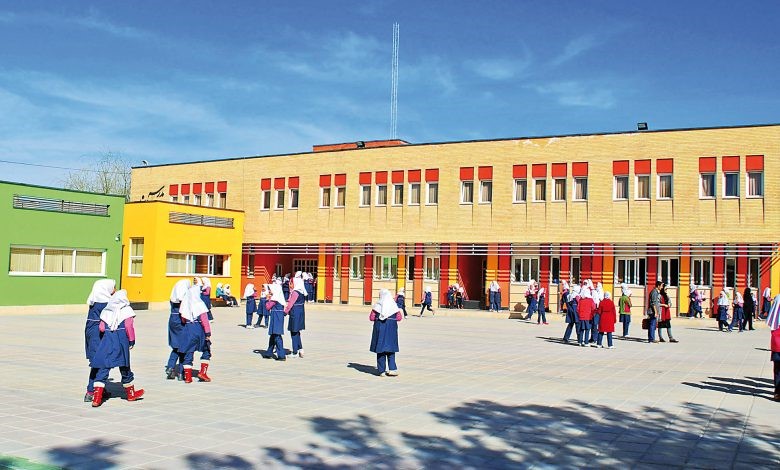
Examining the Impact of Environmental Conditions on Student Learning, Indicators for School Improvement, and Mapping the Issues Behind the Lack of Widespread Public Participation in School Improvement
Abstract
Although the physical environment or school infrastructure is not the only factor influencing learning, the active learning environment can be considered one of the most important factors affecting learning. In fact, according to architectural experts, the physical environment of a school can be seen as the “first teacher.” Therefore, improving the physical condition of schools is of great importance. One of the fundamental challenges in our country’s education system, given the increasing number of classrooms and the growing educational per capita, is the “maintenance, renovation, and improvement of school infrastructure.” However, due to the limited financial and human resources available to the education system, addressing all these needs is not feasible.
In this article you read about:
Factors Causing School Deterioration
The main factors causing school deterioration are natural disasters like earthquakes and floods, as well as student vandalism, which damages public property. These damages have been increasing over time.
The Impact of Environmental Conditions on Student Learning
Environmental conditions significantly affect student learning, yet classroom design has often been overlooked. Traditional linear schooling models, with large, uniform classrooms, have been widely criticized. This has led to more innovative designs focusing on smaller, flexible spaces that consider students’ social and emotional needs, promoting interactive and supportive learning environments.
Physical Features of an Idea
Key Physical Features of an Ideal School:
An effective learning environment supports student focus and enhances learning. Important physical elements include:
- Natural Light: Improves mood and regulates hormones affecting alertness and well-being.
- Tiered & Collaborative Seating: Varying floor levels and group seating boost engagement and learning quality.
- Color Use: Bright, age-appropriate colors uplift mood and stimulate learning.
- Sound Insulation: Reduces external noise, helping students focus on the teacher’s voice.
Audience Participation in Improving School Environments
Improving schools requires the participation of all community members, each contributing in any way they can. This involves a shift in mindset from viewing schools as state-owned to seeing them as community-owned. Such a change begins with public awareness and fostering a sense of responsibility, especially among students and families, through cultural engagement and education.
Challenges Facing the Improvement of School Environments
Key barriers to improving school environments include:
- Low motivation among students and staff,
- The misconception that school improvement is solely the government’s responsibility,
- Infrastructure obstacles hindering volunteer group involvement.
This study was conducted at Mowj Think Tank by Mehdi Hashemzadeh Commissioned by the Organization for Development, Renovation, and Equipping of Schools in Iran in 2023.
To read more, click here


