An analysis of the shortcomings in the automotive industry development model in Iran over past decades, along with the proposal of short-term and long-term policy plans to realign the industry’s progress path
Abstract
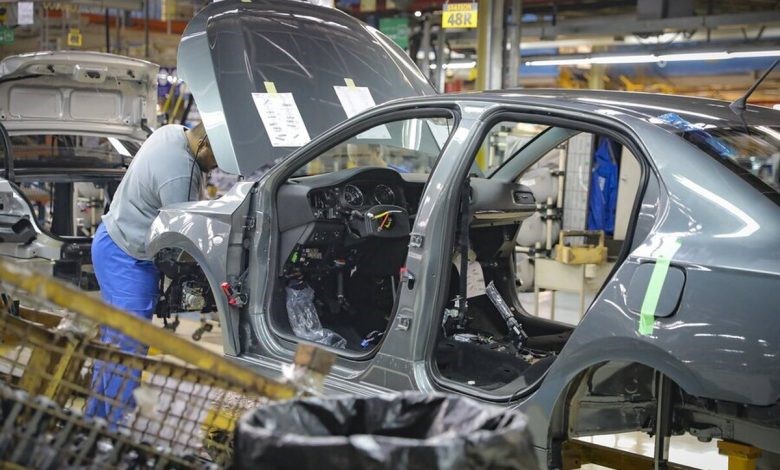
Although numerous efforts have been made in the automotive sector since the Revolution—particularly in increasing production volume and localizing manufacturing—after more than three decades, Iran’s automotive industry still suffers from structural problems at multiple levels. These structural issues have prevented the industry from adopting modern technologies, leading to a significant lag behind international competitors and causing widespread dissatisfaction within the country. Key problems include outdated technology in manufactured vehicles, high fuel consumption, low safety standards, and limited product variety.
In this article you read about:
Assessment of the Current State of the Automotive Industry
- An examination of the current state of the automotive industry reveals various issues, including:
- The absence of a fundamental and long-term strategy, leading to inconsistent progress in the sector
- The dominance of government control over the industry
- State ownership disguised as privatization
- The presence of systemic corruption within the automotive sector
Criticisms of the Development Model Based on Cooperation with Renowned Foreign Automakers
- Limited involvement in design and engineering processes
- Inability to keep pace with cutting-edge technologies
- Lack of precise understanding of technological needs
Proposed Development Model for the Automotive Industry in the Coming Years
The proposed development model for Iran’s automotive industry shifts focus from foreign brand assembly to strengthening domestic platforms and brands. It emphasizes supporting local parts manufacturers and collaborating with top-tier suppliers. Where possible, technology transfer will occur through international partnerships and acquiring stakes in tech-focused companies. The goal is to rank among the world’s top 10 automakers in 4 years and the top 8 in 8 years.
Goals and Strategies of the Proposed Development Model
The plan targets less government control, higher domestic production and exports, greater local parts use, and faster vehicle model updates.
Necessary Actions and Policies for the Proposed Development Model
The proposed development model requires distancing the government from automakers, boosting local production, improving safety and fuel efficiency, increasing exports, and enhancing production efficiency and workforce management.
This study was conducted at Amirkabir Think Tank in collaboration with Habibollah Zafarian, Milad Beigi, Mohammadhadi Ameri Shahrabi, Hossein KarAzmay Jahromi and Mostafa Akbari in 2021.
To read more, click here