Sustainable Governance of Iran’s Transboundary Waters: Challenges, Opportunities, and Strategies for Managing the Helmand River Basin
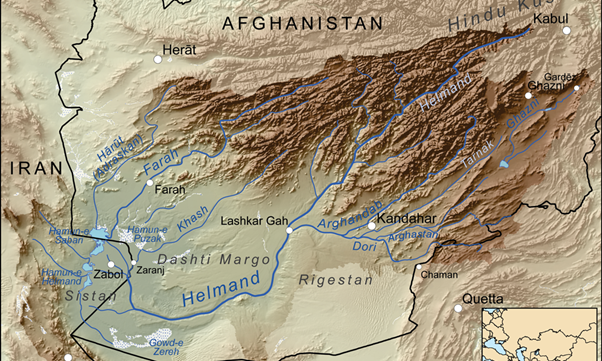
Transboundary waters, as vital and shared resources among neighboring countries, play a fundamental role in meeting agricultural, industrial, and environmental needs. However, managing these resources faces multiple challenges, including political disputes, legal inequalities, and adverse impacts of climate change. In the Middle East region, water is considered a strategic and scarce resource; therefore, cooperation among countries to preserve and fairly utilize shared rivers is essential. Among these, the Helmand River has become one of the main sources of conflict between Iran and Afghanistan, and resolving this issue requires active diplomacy in the fields of water and environmental management.
The Helmand River Basin and the Water Disputes Surrounding It
The Helmand River dispute between Iran and Afghanistan centers on water allocation, with Iran’s ecological needs often overlooked. The 1972 treaty focused on agriculture, but current droughts and tensions call for fairer governance.
Legal Framework of the Helmand River Treaty
The Helmand River’s legal framework combines international conventions, customary law, and the 1972 bilateral treaty between Iran and Afghanistan. Although neither country has ratified the UN Watercourses Convention, they are bound by the principle of equitable and reasonable utilization (ERU). Cooperation and good-faith negotiations remain essential for fair and coordinated transboundary water management.
Challenges and Necessities for Sustainable Governance of Iran’s Transboundary Rivers
Sustainable governance of Iran’s transboundary rivers faces political tensions, legal gaps, weak transparency, and climate challenges. Cooperation among regional powers and effective management—like for the Helmand River—are essential to address water scarcity and conflicts.
The Role of Stakeholders in Transboundary River Governance
Key stakeholders in transboundary river governance include Iranian governmental bodies managing water and diplomacy, international organizations facilitating cooperation and conflict resolution, and civil society groups advocating fair water distribution and local participation in decision-making.
Key Strategies for Addressing Transboundary River Governance Challenges in Iran, with a Focus on the Helmand River
For the Helmand River, solutions include cooperative water diplomacy, stronger legal frameworks, and inclusive capacity-building with all stakeholders.
This study was conducted at Science and Development Think Tank by Hossein Ali Vaezi Pour in 2024.
To read more, click here