Reviewing regulations and strengthening small-scale waste management technologies, with an emphasis on small-scale incinerators, as a sustainable solution to improve urban and rural waste management
In our country, waste management is one of the most important and challenging issues in both urban and rural areas. The increase in waste generation and its environmental impacts necessitate innovative solutions tailored to local conditions. This report addresses two closely related topics in the field of waste management: regulations and small-scale waste management technologies. Each of these topics may seem specialized and complex, making them difficult to explain. However, contrary to this perception, the interaction between these two areas creates or hinders important opportunities in urban and rural waste management. Therefore, understanding this topic is essential for officials, managers, and stakeholders in the waste sector. It can also be simplified, moving it beyond legal and technical engineering frameworks, making it accessible for the general public.
In this article you read about:
Waste Management Law and Small-Scale Technologies and Activities
Although Iran’s Waste Management Law mandates separate waste collection, formal facilities have largely failed to implement it. In practice, small-scale industries and technologies—such as cardboard workshops and plastic granule producers—have successfully collected and processed waste separately. Even if unofficial, these small-scale activities often achieve the law’s objectives more effectively than formal institutions.
Environmental Assessment and Waste Management
Most official landfills in Iran operate without Environmental Impact Assessment approval, often established as “temporary” sites for decades. Small-scale waste activities also raise concerns about the lack of EIA oversight.
Small-Scale Technologies and Health Attachments
Health attachment regulations, originally for large development projects, now also cover small-scale waste facilities, including incinerators under 200 kg/day. While these strict rules apply to small units, landfills—where fires are common—are only regulated if serving large populations (over 100,000 per day), highlighting a regulatory inconsistency.
Legal Support for Small-Scale Waste Technologies
Waste management laws both restrict and support activities to protect the environment. Under the Fifth Development Plan, municipalities are required to adopt modern waste technologies, including small-scale incinerators, and Health Attachment requirements should be reconsidered to facilitate their use. Additionally, the National Environmental Fund can provide financial support for small-scale waste projects, with funding sourced from public allocations and penalties.
Policy Choices and Legal Constraints
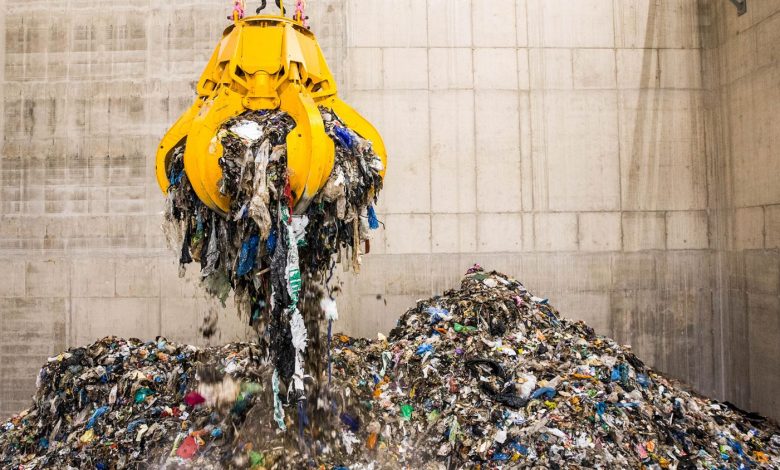
Waste management in Gilan and Mazandaran is hindered by limited resources and complex laws, causing inaction despite environmental regulations. Wet waste releases gases and odors that require proper mitigation, while dry waste recycling suffers from informal sector issues. Source separation and standardized technologies, such as controlled incinerators, can reduce harm, but misconceptions and lack of enforcement remain major obstacles.
This study was conducted at Waste Management Strategic Studies Think Tank in collaboration with Narges Azari, Saman Mohammadi and Sahar jafarSalehi in 2025.
To read more, click here