An examination of trade–economic agreements and regional value chains, with policy recommendations to strengthen Iran’s role in regional value networks
According to statistics from reputable international organizations, nearly half of global trade is conducted through global value chains. Although the rapid globalization that followed World War II slowed in the 2010s—and even partially reversed toward the end of that decade—a significant portion of trade among countries is still carried out within interconnected production networks. Unfortunately, in Iran, due to the historical weakness in industrial production and the intensification of sanctions, the economy has become one focused on “production for the domestic market” and, externally, on “raw material exports.” This type of trade prevents the country from participating in commercial networks that control a major share of the global industrial products market.
Global Value Chain Transformations and Regionalism
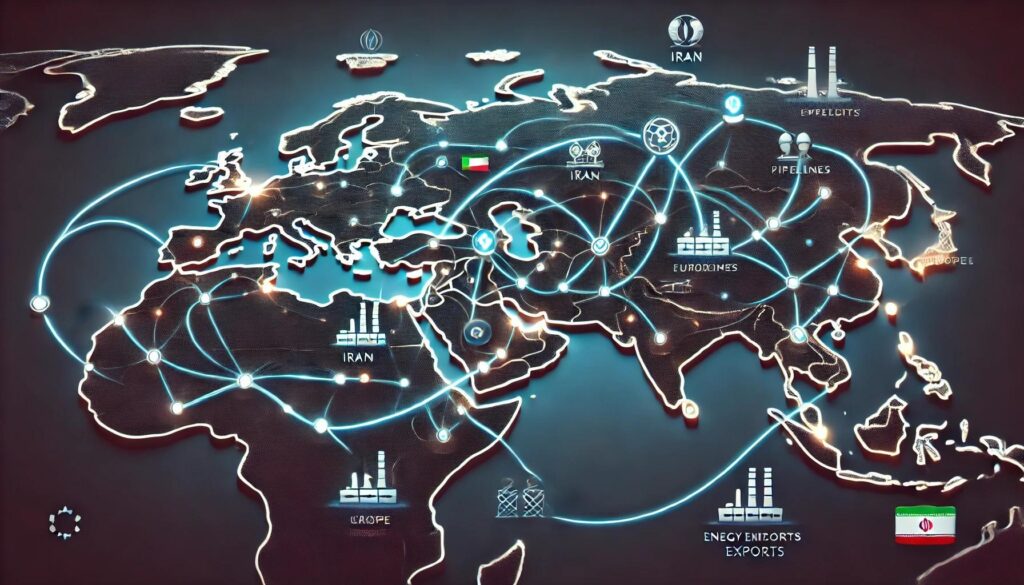
Global value chains (GVCs) have long driven prosperity by linking the world through trade, investment, and ideas. Yet recent crises—the pandemic, the Russia-Ukraine war, and U.S.–China tensions—have accelerated a shift toward fragmentation.
Since 2022, trade between rival blocs has fallen sharply (e.g., U.S.–China, Russia–EU), while intra-bloc trade has remained resilient. Countries are increasingly turning to “friend-shoring,” “de-risking,” and “self-reliance,” reshaping global trade around political and security priorities.
This shift is pushing supply chains to shorten, boosting regionalism and fostering new economic blocs. At the same time, technological rivalries—like the 5G race—deepen divisions.
For Iran, these transformations highlight both risks and opportunities: while exclusion from global GVCs remains a challenge, regional value chains could provide a more viable pathway for sustainable growth and integration.
Trade with Neighbors: A Key to Iran’s Regional Value Chains
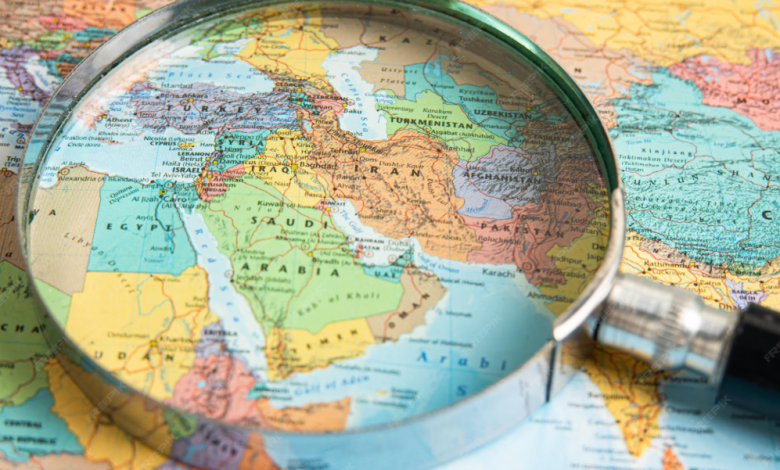
Iran shares borders with 15 countries, yet its trade share remains low. Building regional value chains requires leveraging diverse national strengths, enhancing cooperation, and attracting cross-border investment.
Strengthening Iran’s Regional Value Chains: Key Recommendations
To boost industrial development through regional value chains, Iran can focus on:
- Logistics & Connectivity: Develop transport corridors (rail, road, sea) and border logistics hubs to facilitate trade.
- SMEs & Startups: Provide export guarantee funds and launch joint accelerators with neighboring countries to promote industrial innovation.
- Industrial & Tech Parks: Establish cross-border industrial parks and expand free zones for high-tech production and exports.
- Education & Human Capital: Implement joint training programs with regional universities and offer scholarships to nurture skilled professionals.
- Sustainable Development: Promote low-carbon technologies, environmental projects, and circular economy practices in collaboration with regional partners.
This study was conducted at Iran Think Tank for Export Development (ITED) in 2024.
To read more, click here