A brief from the International Relations Think Tank on Israel’s attack on Qatar, examining its legitimacy under international law and United Nations regulations
Abstract
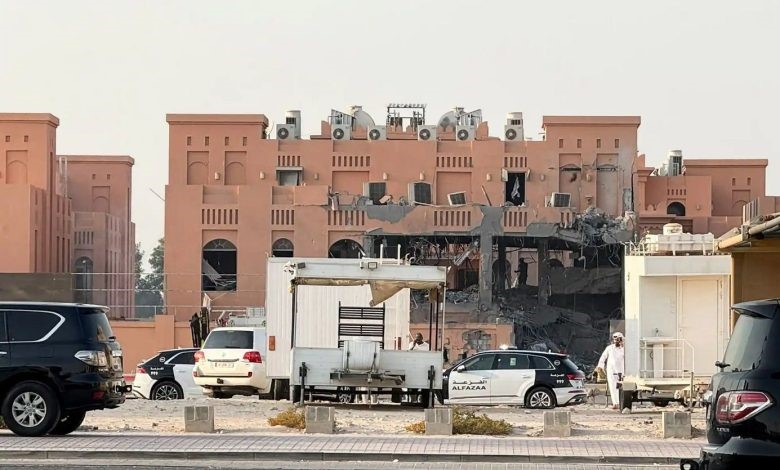
The Israeli airstrike on Hamas’ political office in Doha, the capital of Qatar, on September 9, 2025 (18 Shahrivar 1404), sparked widespread international reactions. The attack, carried out using 15 fighter jets and 12 missiles, resulted in the deaths of six people, including senior Hamas members and Qatari civilians. This report examines the dimensions of international law and United Nations regulations relevant to this attack.
Legal Examination of Israel’s Attack on Qatar
Violation of Sovereignty: The attack breached Qatar’s territorial integrity and sovereignty, prohibited under Article 2(4) of the UN Charter.
Violation of International Humanitarian Law
International Humanitarian Law: Targeting a residential area violated the principles of distinction and proportionality, despite claims of minimizing civilian casualties.
Universal Jurisdiction
The attack could be subject to prosecution for war crimes or crimes against humanity anywhere under international law.
UN Role
The Secretary-General condemned the attack; the Security Council held an emergency session, though action is limited by the US veto.
Israel’s Responsibility:
Israel is accountable under international law and Qatar reserves the right to seek compensation and legal action.
International Reactions to Israel’s attack on Qatar
The attack drew widespread international condemnation from the EU, GCC, Turkey, Iran, and the UN, with many calling it a violation of international law. Former U.S. President Donald Trump claimed he warned Qatar beforehand, which Qatar denied. The UN Security Council held an urgent meeting, but U.S. veto power may limit action. Qatar has filed a complaint against Israel.
This study was conducted by Hamzeh Alipour, Secretary of the West Asia Department of International Relations Think Tank analysis network in 2025.
To read more, click here