Understanding the stance of the Iraqi government, political movements, the resistance, and the religious authority toward the Zionist regime’s imposed war against Iran
Abstract
The Zionist regime’s imposed war against Iran elicited diverse reactions from governments and global public opinion. Among the responding states, Iraq was one of the countries that, at various levels, condemned Israel’s attack on Iranian territory during the ongoing negotiations between Tehran and Washington.
This condemnation was expressed by the Iraqi government (both Baghdad and Erbil), political factions, resistance movements, and the Najaf religious authority, through a series of statements, declarations, and official positions.
However, all three of these actors—similar to their stance following the “Al-Aqsa Storm” developments—sought to confine their reactions within diplomatic frameworks and to prevent Iraq from being drawn into regional tensions.
The Approach of Iraqi Actors Toward the 12-Day War Against Iran
To understand Iraq’s stance regarding the Zionist regime’s imposed 12-day war against Iran, it is necessary to examine both verbal and behavioral reactions at three levels: the government, political and resistance movements, and the Najaf religious authority.
The Government
Iraq’s government (Baghdad and Erbil) condemned Israel’s attacks, urged UN action, and called for respect for national sovereignty.
Political Factions and Resistance Movements
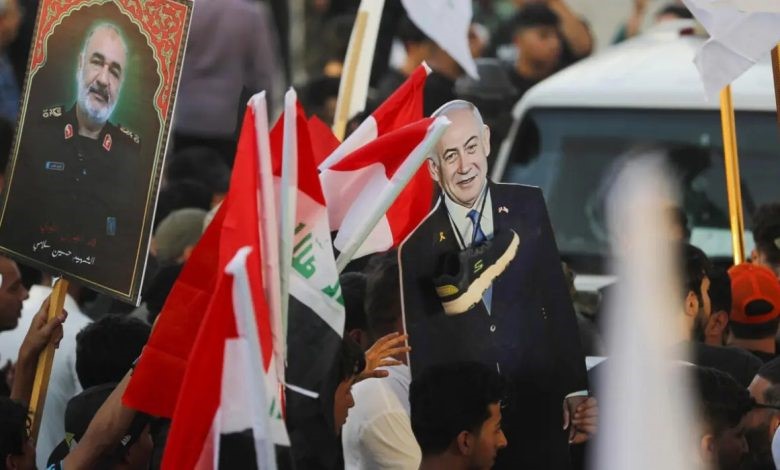
Sunni groups stayed silent; Shia factions issued diplomatic condemnations. Resistance groups denounced the strikes and warned of targeting U.S. interests if it joined the war.
The Najaf Religious Authority
The Najaf Religious Authority condemned Israel’s aggression and threats against Iran’s leader, warning of severe regional consequences.
Notes on Iraq’s Position in a Potential Future Conflict
Public Support: Najaf and Shia factions can mobilize mass backing for Iran if coordinated.
Borders: The KRG must secure borders and honor the Tehran–Baghdad agreement.
Resistance: Unlawful actions risk weakening the PMF and Iran’s position.
Politics: Future Tehran–Baghdad ties should depend on each faction’s stance toward Israel’s attacks.
This study was conducted at Tehran International Studies & Research Institute by Farhad Vafaeifard in 2025.
To read more, click here