The head of the Revival of Politics (Ehya-ye Siasat) Think Tank has outlined some points regarding the ambiguous situation of ‘neither war nor peace’ between Iran and the United States;
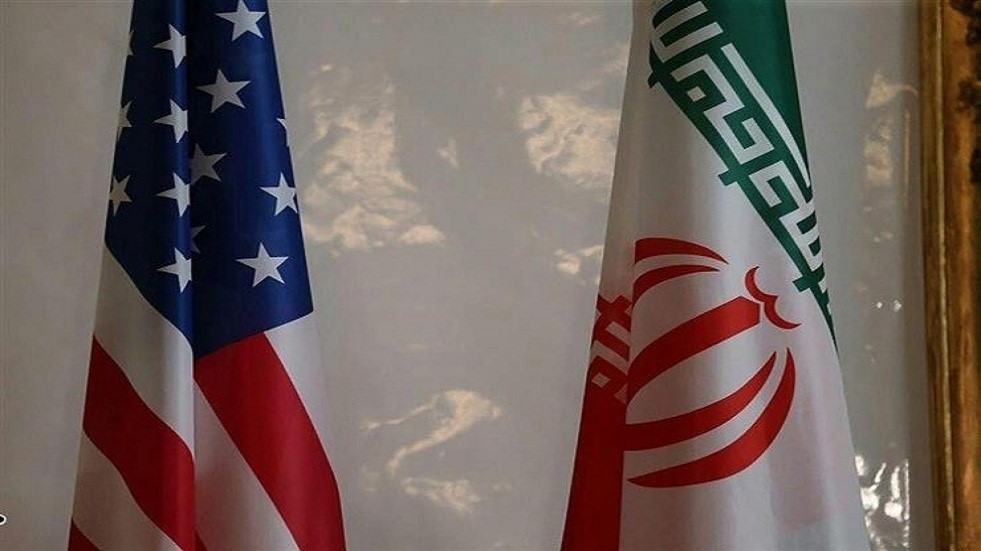
Iran is currently at one of the most critical and decisive moments in its modern history, facing a complex, multi-layered struggle with the United States. This confrontation involves not only potential military conflict but also high-stakes diplomacy, intelligence operations, and regional alliances, making careful strategic planning essential for Tehran.
Israeli Lobby’s Role
Israeli lobbies and its supporters have actively attempted to destabilize Iran from within by exaggerating casualty figures, amplifying social unrest, and promoting narratives of mass violence. Their efforts are aimed at creating international justification for military intervention, pressuring U.S. policymakers, and shaping public opinion to favor a more aggressive approach toward Iran.
Trump’s Strategic Miscalculations
President Trump initially considered direct military action against Iran, believing it could achieve a quick and decisive victory similar to other foreign interventions. However, miscalculations regarding the true cost of war, Iran’s rapid recovery after protests, and the resilience of its security forces forced him to cancel planned strikes. These events highlight the limitations of aggressive unilateral strategies in a complex regional context.
Diplomacy Hinges on Military Readiness
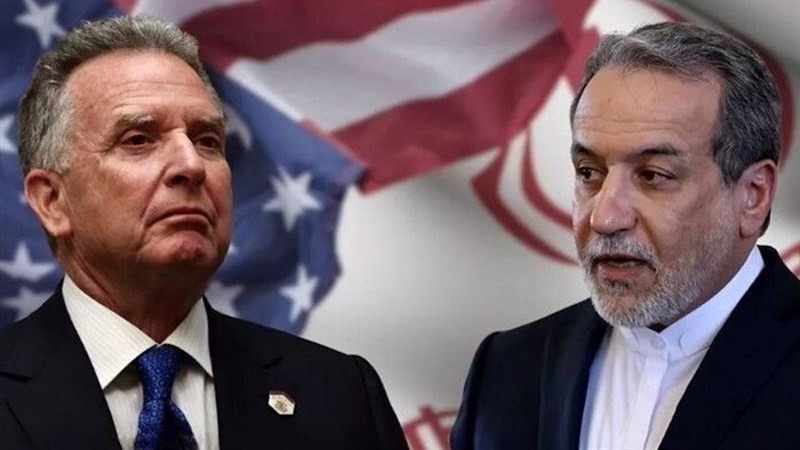
The success of any diplomatic initiative now depends heavily on Iran’s military preparedness and the coordinated readiness of regional resistance groups. By maintaining a strong defense posture and demonstrating that any attack would be costly, Tehran can leverage the “perceived cost of war” in Washington’s calculations to extract concessions and strengthen its negotiating position.
Risk of Escalation Remains
Despite cautious moves toward negotiation, tensions remain high. Israel’s lobby continues to push narratives of low-cost war and potential mass casualties, while Trump and other U.S. actors have not entirely ruled out military action. This creates a fragile balance in which vigilance and strategic foresight are crucial to prevent sudden escalation or destabilization.
This note is written by Mehdi Kharatian in January 2026.
To read more, Download Full Paper