This policy package outlines strategies to support businesses during wartime and facilitate post-war economic reconstruction. The goal is to enhance business resilience, maintain employment and production, and accelerate sustainable growth.
Key Challenges Related to Business
Wars disrupt infrastructure, supply chains, and financial markets, leading to operational, financial, and legal hurdles for businesses. This includes liquidity issues, skilled labor shortages, and restrictive regulations.
Proposed Policies to Managing Business in Wartime and Post War Periods
Wartime (Short-term):
- Financial Aid: Low-interest loans, credit lines, government guarantees, tax/insurance relief.
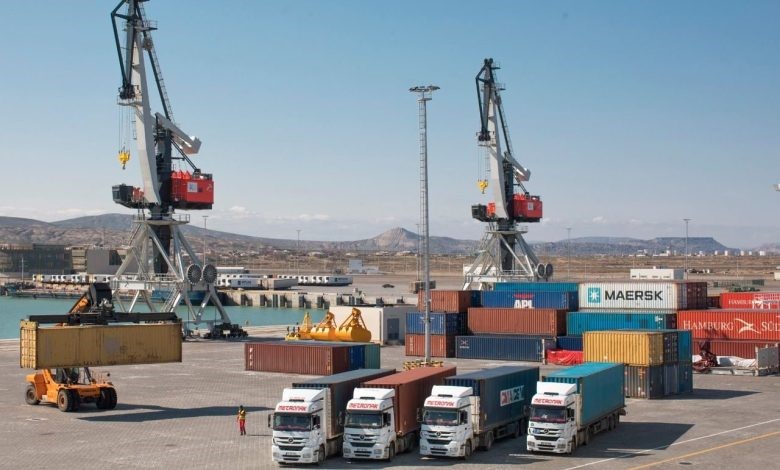
- Regulatory Flexibility: Streamlined customs, prioritized raw material imports, administrative simplifications.
- SME Support: Consultation, market access, employment retention programs.
- Digitalization: Promote online trade to counter physical disruptions.
Post-War (Medium to Long-term):
- Reconstruction: Rebuild critical infrastructure and production capacities.
- Investment: Attract domestic and foreign investment through incentives.
- Regulatory Reform: Reduce bureaucracy, improve licensing, reform tax/banking laws.
- Economic Development: Promote exports, diversify the economy, foster entrepreneurship and innovation.
This policy package aims to create a resilient and sustainable economy by simultaneously managing the crisis and strengthening the foundations for future growth. A clear roadmap with prioritized actions, assigned responsibilities, precise timelines, and strong collaboration among stakeholders is crucial for effective execution and continuous monitoring.
This study is conducted at Governance Problems System Think tank in 2026.
To read more, download full paper