OPEC was established in September 1960 in Baghdad to unite oil-producing countries against major Western oil companies and regain control over their national resources. In recent years, particularly after the rise of shale oil production in the U.S., OPEC’s power to manage prices has diminished due to increased supply from non-member producers. To address this, OPEC formed the “OPEC Plus” coalition with large non-OPEC producers like Russia to stabilize the market through greater supply coordination.
Key OPEC and OPEC Plus Quotas
OPEC and OPEC Plus primarily function as regulatory bodies to adjust oil supply and prices based on market trends. Key countries involved in these quotas include:
- Saudi Arabia: Producing approximately 9 to 10 million barrels per day (largest quota).
- Russia: Producing around 9.5 million barrels per day (under OPEC Plus).
- United Arab Emirates (UAE): Official quota set to about 3 million barrels per day.
- Iran: Actual production around 3.2 million barrels, but exempt from mandatory constraints.
Divergence within OPEC
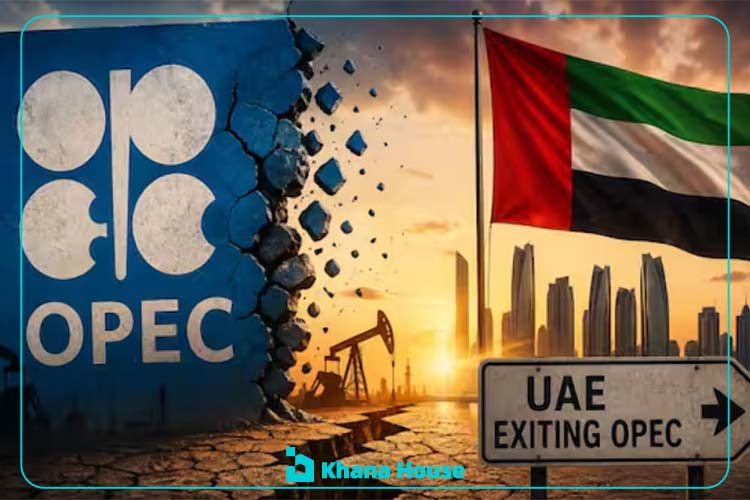
Recent exits from OPEC by Qatar, Angola, and the UAE reflect a trend where members prioritize national interests and production flexibility over collective commitments due to market dynamics and disputes over quotas.
Broader Context of the UAE’s OPEC Exit
The UAE’s exit from OPEC highlights a strategic shift in the global oil market, allowing it to leverage excess production capacity for indirect market interventions during crises. With production capabilities previously limited by quotas, the UAE could significantly increase output and stabilize supply to address market disruptions.
Implications for U.S. Policies Against Iran
U.S. policies toward Iran leverage both direct sanctions and indirect market influences, such as increased shale production that offsets Iran’s exports. The UAE’s increased oil production acts as a complementary strategy to redistribute market shares and weaken Iran’s bargaining power, potentially lowering oil prices and contributing to efforts to contain Iran in the near future.
This policy note is written by Mohammadmehdi Kord Ababdi in 2026.
To read more, download full paper
If you are interested, you can read about United Arab Emirates; Threat to Iran’s Economic Security on our publication.