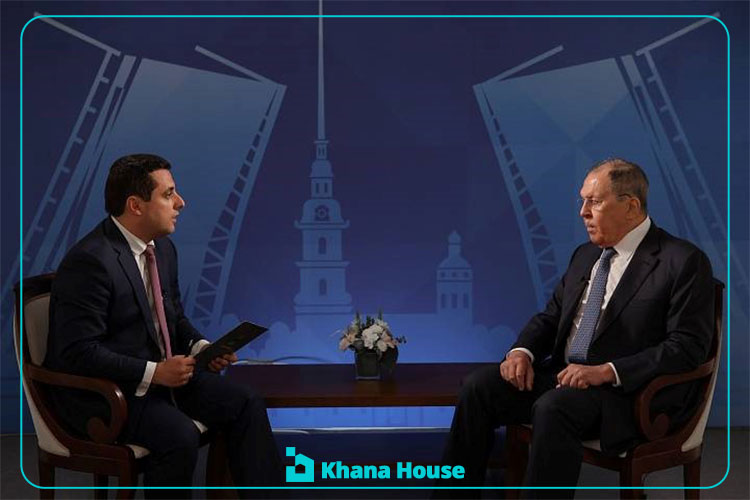
Sergey Lavrov’s recent remarks suggest a notable shift in Russia’s public stance on Iran’s nuclear file. While Moscow previously appeared firmly opposed to any discussion of Iran leaving the NPT or altering its nuclear doctrine, his comments indicate greater openness to strategic dialogue on these issues.
Lavrov’s Warning to the United States and Israel
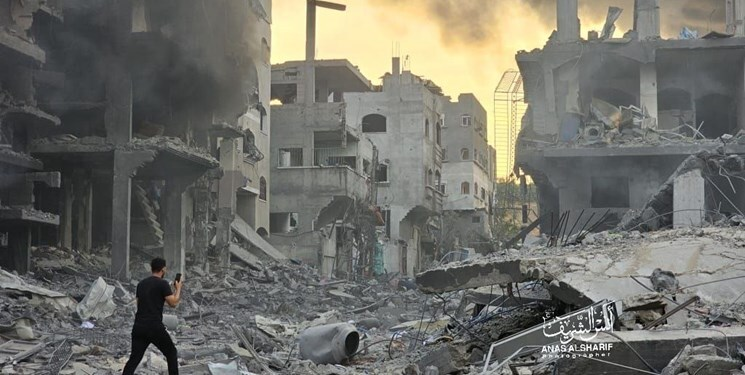
Lavrov argued that continued military pressure and threats against Iran could ultimately encourage support for nuclear deterrence inside the country. He suggested that external aggression risks changing Iranian elite and public attitudes toward nuclear weapons.
Libya and North Korea: Two Contrasting Models
Using Libya and North Korea as examples, Lavrov contrasted the fate of a state that abandoned its nuclear ambitions with one that developed nuclear deterrence. The comparison implies growing Russian concern over the security consequences of weakening Iran’s deterrent capabilities.
Iran’s Unique Position Under the NPT
Lavrov emphasized that the IAEA has repeatedly found no evidence of an Iranian military nuclear program. Despite this, Iran continues to face accusations and pressure, creating what he described as an exceptional situation for a country still committed to the NPT.
Implications for Russia-Iran Strategic Relations
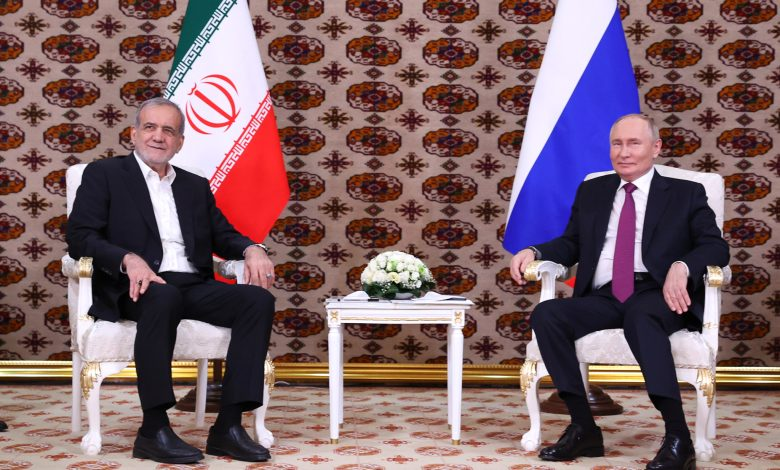
These remarks, alongside Moscow’s diplomatic support for Tehran, may signal readiness for broader discussions on nuclear doctrine, regional security, and conflict resolution. Analysts view this as increased Russian flexibility rather than support for Iranian nuclear weapons development.
Conclusion
Lavrov’s statements indicate an evolving Russian approach toward Iran’s nuclear debate. While Russia remains committed to non-proliferation, it appears increasingly willing to acknowledge Iran’s security concerns and discuss future strategic options.
This policy note is written by Mehdi Kharatian head of Revival of Politics Think Tank in 2026.