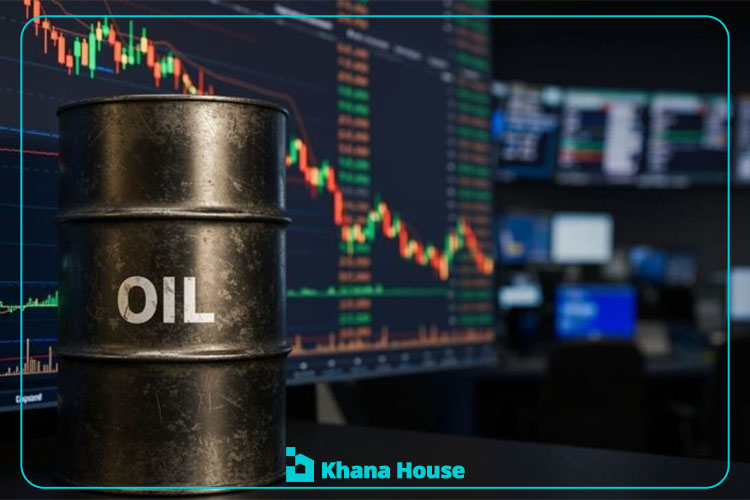
The global economy is moving toward a tokenized economic model, with the crude oil market emerging as a prime candidate for blockchain adoption due to its strategic importance, high transaction volume, and complex supply chains. Traditional oil trading faces challenges such as multiple intermediaries, slow settlement processes, and limited transparency. Tokenization can enhance efficiency, security, liquidity, and transparency by reducing intermediaries, automating transactions through smart contracts, and utilizing an immutable blockchain ledger.
Iran’s Oil Tokenization Project
As global finance moves toward digital asset tokenization, the absence of a comprehensive economic, technical, and legal framework for oil tokenization deprives Iran of a major opportunity to strengthen economic diplomacy and financial infrastructure.
Key challenges include:
- limited oil sales and settlement channels,
- The need for innovative financing mechanisms,
- The lack of broad public access to oil-related investments.
Global Experiences in Real-World Asset Tokenization
Gold Tokenization
Gold represents the most mature tokenization model, where each token is backed by audited physical gold reserves. Transparency, redeemability, and independent verification are the foundations of investor trust.
Venezuela’s Petro
The Petro project illustrates the risks of inadequate transparency and weak institutional credibility. Its failure highlights the importance of verifiable reserves, redemption mechanisms, and strict accountability in any oil-backed token system.
Russia’s Digital Financial Assets (DFA)
Russia has adopted a pragmatic approach, using tokenized assets primarily as alternative settlement instruments for international trade and sanctions-resistant financial transactions.
Legal, Regulatory, and Policy Challenges in Iran
The main obstacles include the unclear legal and Sharia status of oil tokens, regulatory overlaps among supervisory institutions, and the tension between domestic transparency requirements and the need for confidentiality in international transactions under sanctions.
Economic Modeling and Mechanism Design
- Token Pricing
Oil tokens should stay aligned with physical oil prices through arbitrage mechanisms.
- Risk Management
A demurrage model can help cover storage costs and reduce long-term hoarding.
- Market Liquidity
Hybrid markets combining order books and liquidity pools can support both institutional and retail trading efficiently.
This study is conducted at Strategic the Oil and Gas Industry Chain Think Tank (Petropal) by Mohammad Navdi Esmaeili in 2026.
To read more, download full paper