This report explores how a temporary understanding between Iran and the United States could reshape Iran’s oil, gas, and petrochemical sectors. It argues that while sanctions relief and reduced geopolitical tensions may improve trade, investment, technology transfer, and financial access, sustainable growth depends on strategic domestic policymaking. The study emphasizes that external opportunities should be transformed into industrial development, stronger value chains, technological upgrading, and long-term economic resilience rather than simply expanding crude oil exports.
Key Strategic Priorities
- Reducing Geoeconomic Risks and Reconnecting with Global Markets
Lower geopolitical risks and sanctions relief can reduce transaction costs, restore financial and trade channels, and improve Iran’s position in global energy markets.
- Smart Industrial Policy
A phased, problem-oriented industrial strategy is essential to direct new financial resources toward high-value projects, technology, and productivity improvements.
- Strengthening Institutional Capacity
Effective governance, transparent regulations, and capable public institutions are critical for attracting investment, managing large-scale energy projects, and ensuring technology transfer.
- Energy Security and Resilience
Diversifying export markets, logistics, financing, and production capacity can strengthen resilience against sanctions, supply disruptions, and future geopolitical shocks.
- Green Transition and Low-Carbon Industrialization
Modernizing the energy sector through cleaner technologies, methane reduction, carbon management, and higher environmental standards will enhance long-term competitiveness.
- Expanding the Energy Value Chain
Moving beyond crude oil exports toward refining, petrochemicals, and downstream industries can generate greater value-added, employment, and industrial growth.
- Integration into Regional Value Chains
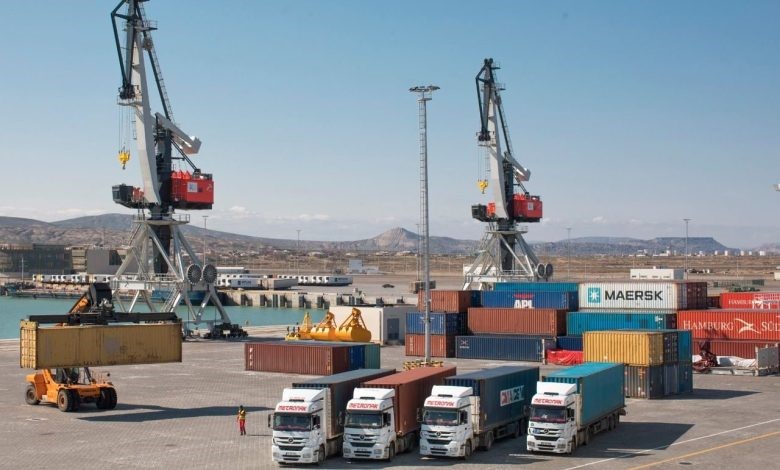
Strengthening partnerships with regional and Asian markets through energy trade, infrastructure, and industrial cooperation can improve Iran’s regional competitiveness.
- Modern Industrial Policy Instruments
Targeted incentives, research and development support, export promotion, and technology-based investment policies should be aligned with measurable performance outcomes.
- Investment, Finance, and Technology Transfer
Reduced financial restrictions can facilitate foreign investment and technology transfer, provided projects are linked to domestic capabilities and industrial learning.
- Political Stability and Long-Term Investment
A predictable political and economic environment is essential for attracting long-term capital, supporting large-scale energy projects, and sustaining industrial development.
Conclusion
The report concludes that a diplomatic understanding can create a valuable opportunity for Iran’s energy sector, but lasting benefits depend on institutional reforms, strategic industrial policy, value chain development, innovation, and resilient economic governance. External openings alone cannot guarantee sustainable growth without effective domestic implementation.
This study is conducted at Energy Research Center in 2026.
To read more, download full paper