Hadi Masoumi, Researcher at Iran Think Tanks Network
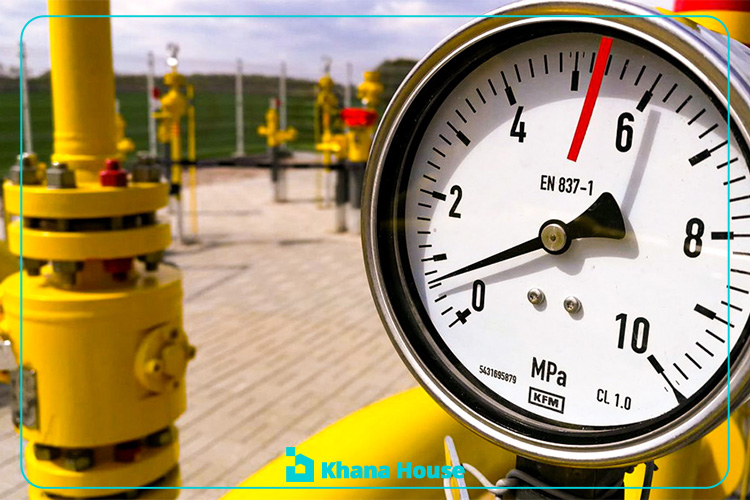
Iran faces a recurring winter natural gas imbalance. Gas shortages reduce industrial output, force power plants to burn more polluting fuels, and disrupt public services. Iran’s Gas Crisis is seasonal and is driven by a sharp increase in heating demand during the colder months.
Why Household Energy Efficiency Should Be the Priority
Looking only at annual consumption statistics can lead to misleading conclusions. Iran’s gas imbalance is primarily a seasonal problem, so policies should focus on reducing winter demand rather than annual averages.
Increasing gas prices is not the most effective solution. lower-income households often consume more gas than wealthier families because they live in older, poorly insulated buildings with inefficient heating systems. Higher prices would therefore place a greater financial burden on vulnerable households without significantly improving efficiency.
Instead, Iran should prioritize replacing outdated heating equipment, improving building insulation, and expanding energy-efficiency programs through energy service companies. Similar measures should also be implemented in public buildings and government facilities, where winter heating demand follows the same seasonal pattern.
According to the author, targeted efficiency improvements—not broad price liberalization—offer a more effective and socially equitable strategy for reducing Iran’s winter natural gas imbalance.