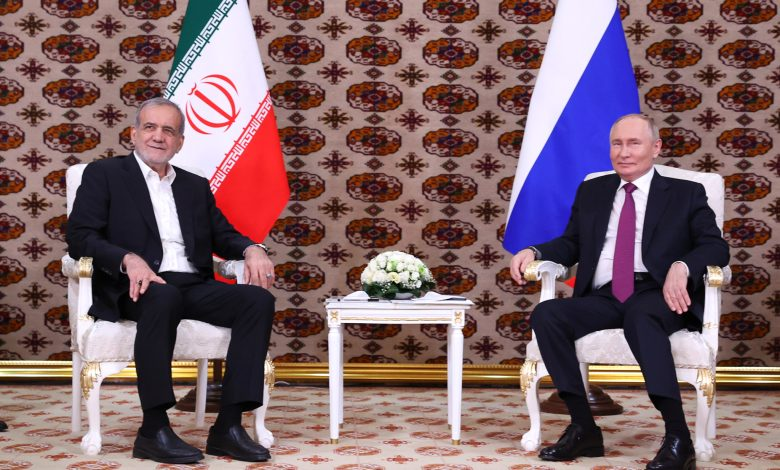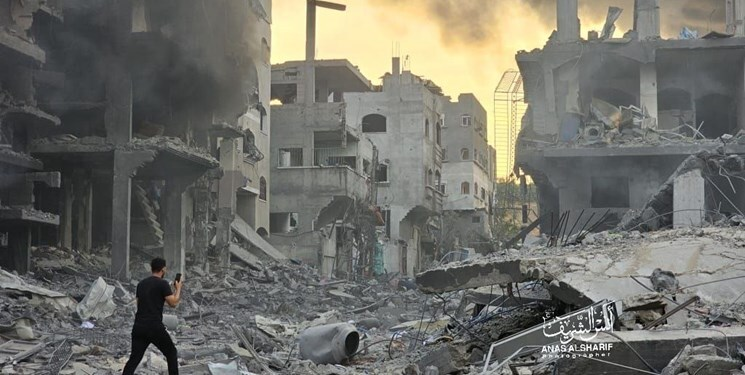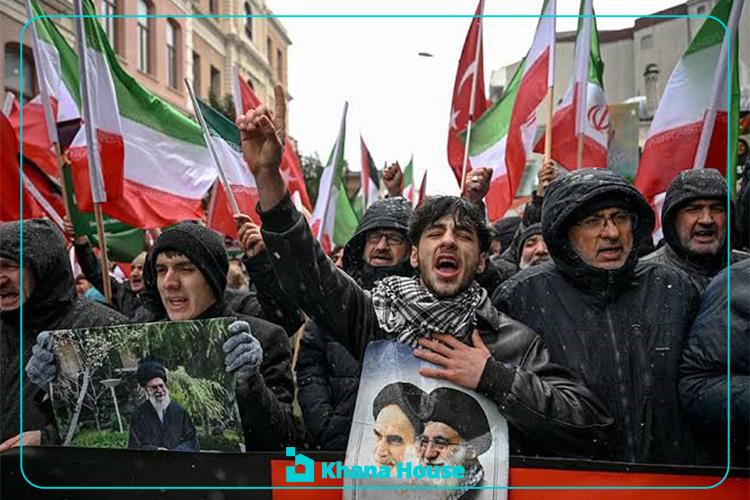
The attack on Iran was based on the false assumption that the country was too weak to respond. Instead, Iran delivered a calculated and effective response, proving its military resilience and strategic deterrence despite pressure from major powers.
Our Arab Neighbors Have Consistently Stood on the Wrong Side of History
Iran argues that some GCC states have repeatedly supported policies against Tehran, from backing Iraq during the Iran-Iraq War to assisting Israel and the United States in recent regional conflicts. They did this through;
- Supporting anti-Iran military actions.
- Cooperation with foreign powers against regional stability.
According to Iran, military operations launched or supported from GCC territory left Tehran with no option but a limited and proportional response aimed at defending its sovereignty.
Arab Neighbors Should Reconsider Outdated Security Alliances
The recent conflict exposed the weaknesses of foreign-backed security arrangements. Iran calls on regional governments to replace dependence on external powers with a regional security framework based on cooperation and mutual interests.
Iran argues that purchasing advanced weapons and hosting foreign military bases has not produced genuine security for some Arab states. Instead, it has increased dependence while exposing them to regional instability.
U.S. Military Bases in the Region Create More Insecurity
From Iran’s perspective, American military bases serve as launch points for operations against Tehran rather than providing neutral protection. Their continued presence increases tensions and militarizes the Persian Gulf region.
Iran’s Regional Initiatives Show Commitment to Inclusive Cooperation
Iran points to proposals such as the Hormuz Peace Endeavor (HOPE) and other regional dialogue initiatives as evidence of its willingness to build a cooperative security architecture without outside intervention, in order to:
- Promote regional dialogue.
- Strengthen collective security.
- Reduce dependence on foreign powers.
Iran believes lasting peace in West Asia requires mutual respect and shared security rather than policies that isolate Tehran. Regional countries are encouraged to work together on common challenges such as economic development, climate change, and energy security.
This policy note is written by Javad Zarif Paiab Think Tank in 2026.